

 English
 Deutsch
 Español
 русский





A Patch Panel Is Your Network’s Centralized Control Point A patch panel functions as a static, centralized termination point that organizes, protects, and simplifies your structured cabling infrastructure. Instead of running long horizontal cables directly to active switches (which risks damage and creates chaos), all cables t...
Read More
Product Series
Product Category
OEM IP68 Toolless Connector Manufacturer
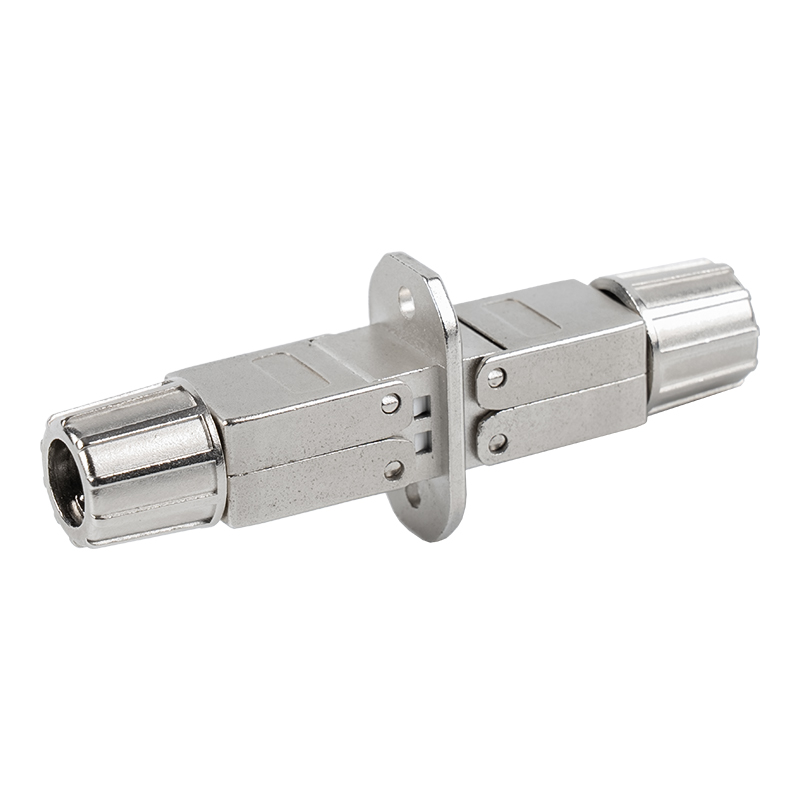
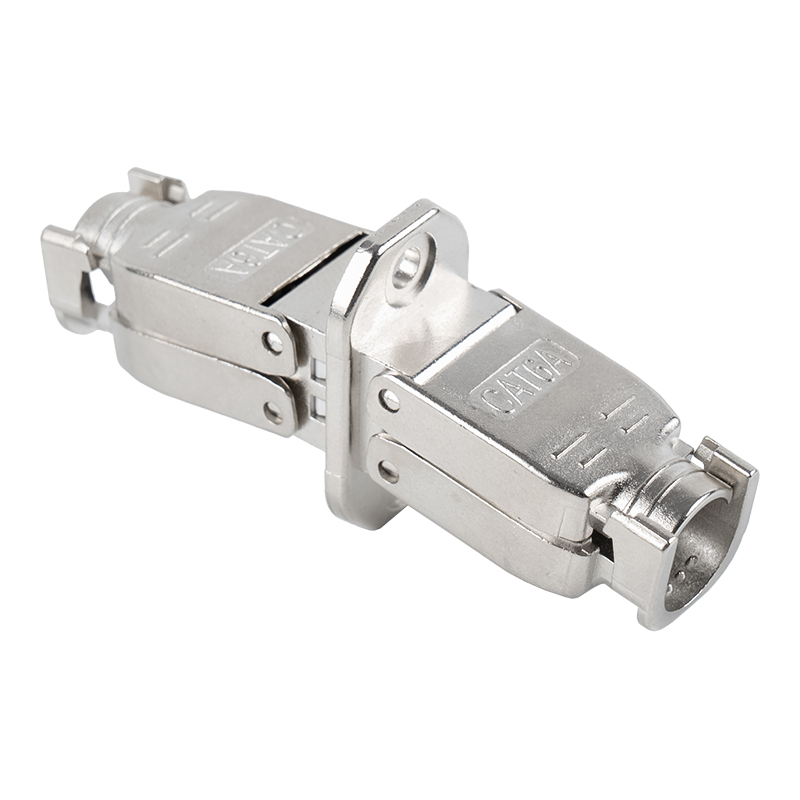
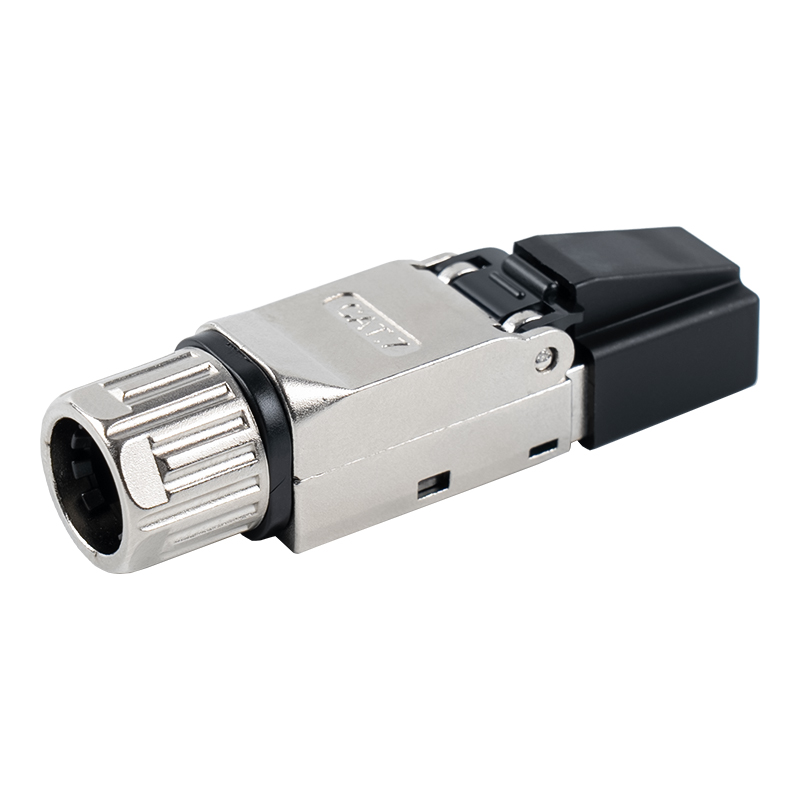
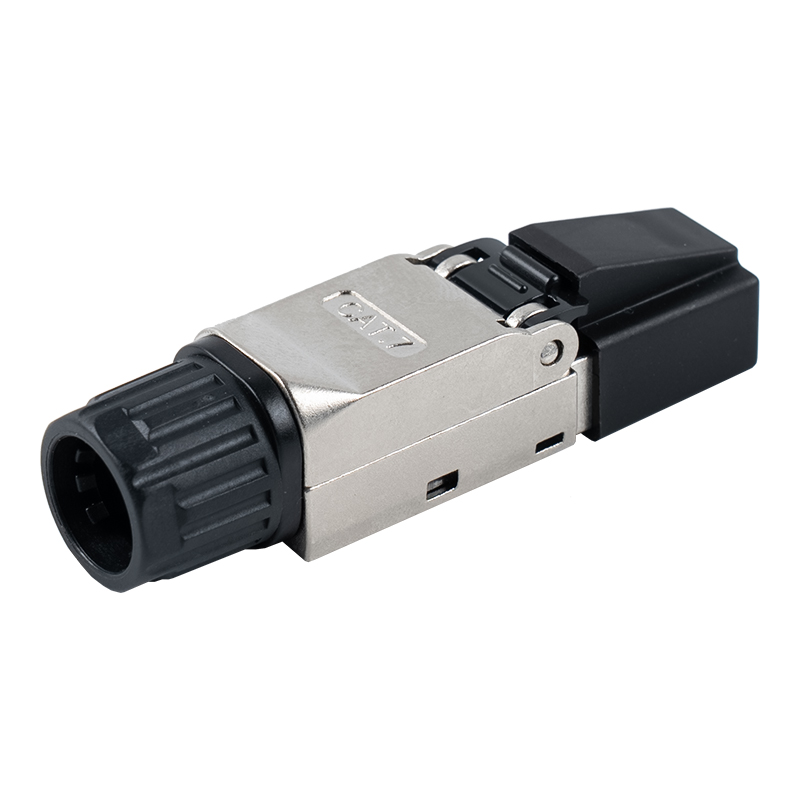
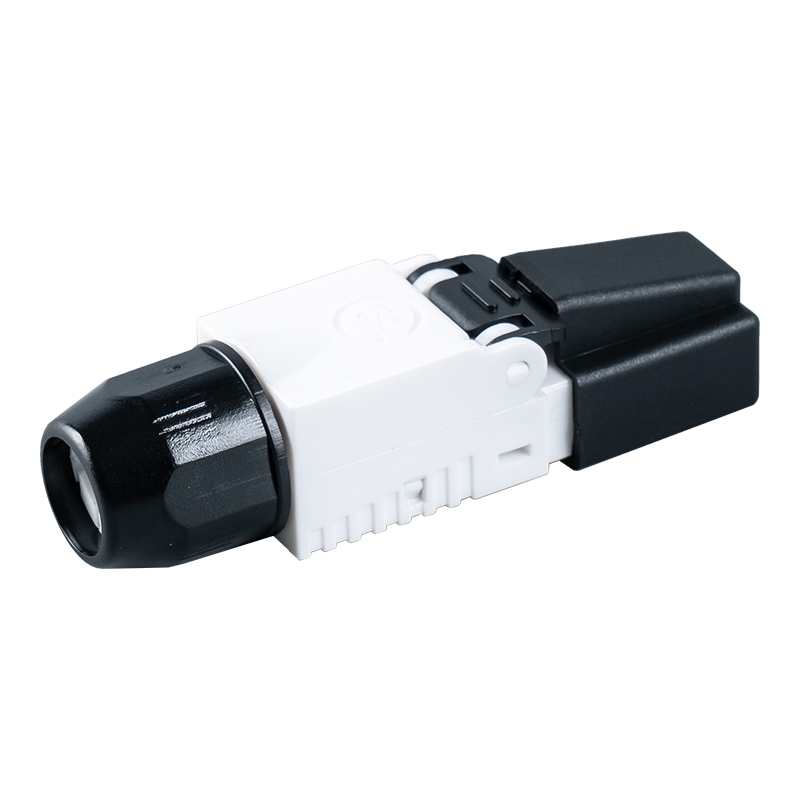
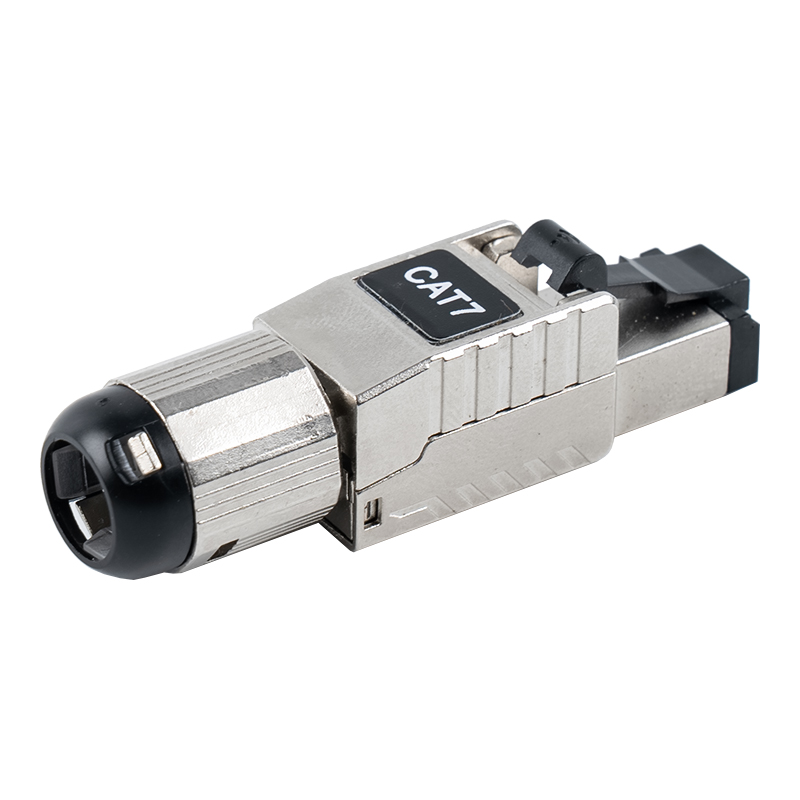
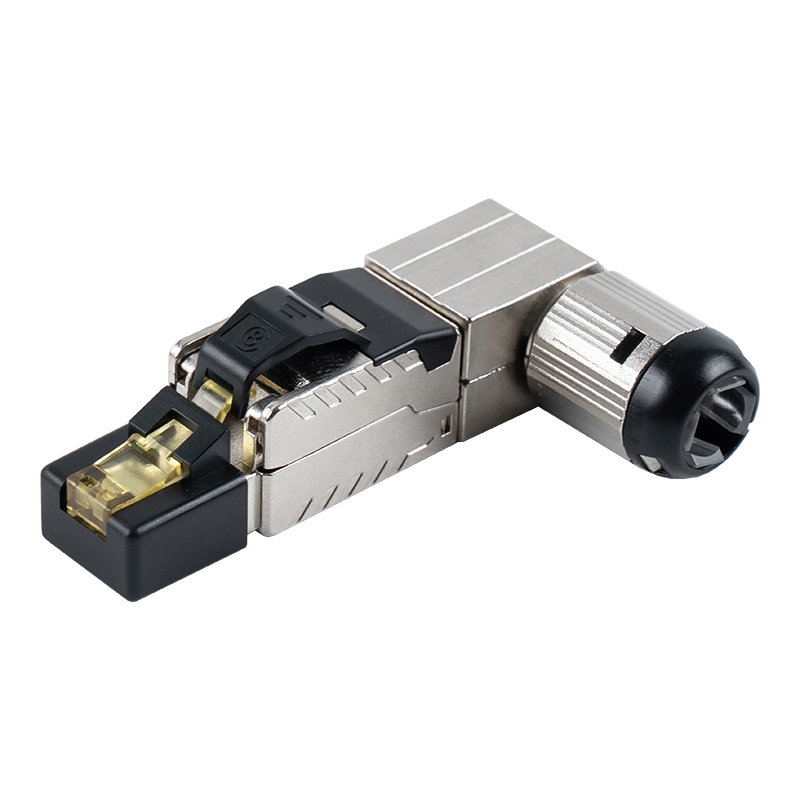
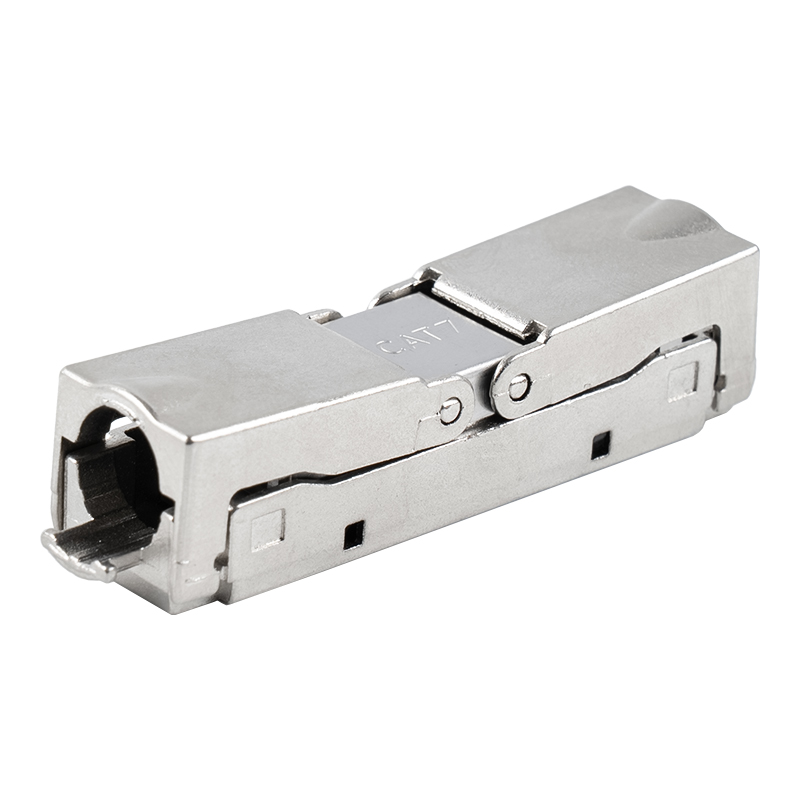
Toolless Plug are simple connectors designed for quick installation without the need for specialized tools. Commonly used in networking, communications, or power systems, they facilitate quick field connections without the need for complex crimping or screw connections. This tool-less design improves installation efficiency and reduces maintenance time, making it ideal for applications in high-density or compact spaces.
-
Cat6A Shielded Toolless Connector (with mounting base) RJ-603S-2-C6A
-
Cat6A Shielded Push-down Type Toolless Connector RJ-603S-3-C6A
-
Cat6A Shielded Push-down Type Toolless Connector (with mounting base) RJ-603S-4-C6A
-
Cat7 Shielded Toolless RJ45 Connector(with Plastic Protective Sleeves) RJ-G50S-1-C7
-
Cat7 Shielded Toolless RJ45 Connector (with plastic caps on the head and plastic nuts on the tail) RJ-G50S-2-C7
-
Cat7 Unshielded Toolless RJ45 Connector(with plastic caps on the head ) RJ-G50U-1-C7
-
Cat7 Shielded Toolless RJ45 Connector(with Black Plastic Spring Clip) RJ-G60S-1-C7
-
Cat7 Shielded Toolless RJ45 Connector (90-Degree Angle at End) RJ-G90S-1-C7
-
Cat6A Shielded Push-down Type Toolless Connector(Single opening) RJ-604S-1-C6A
Message Feedback
About Us

Ningbo Betterbell Telecommunication Equipment Co., Ltd.
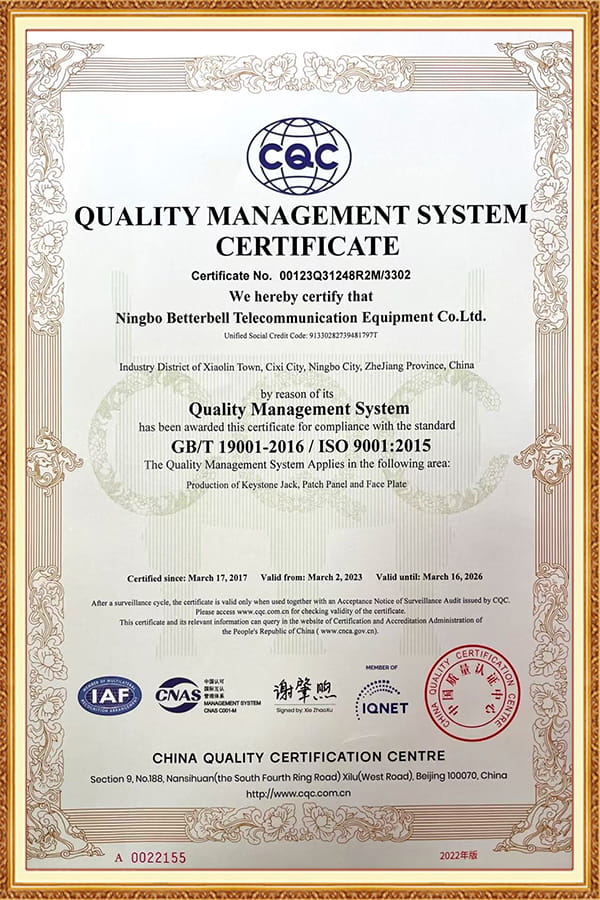
Ningbo Betterbell Telecommunication Equipment Co., Ltd. (BTBL), founded in 2002 and located in Ningbo, China, enjoys convenient transportation, with close proximity to Ningbo and Shanghai seaports as well as major airports. We OEM IP68 Toolless Connector Manufacturer and Custom Toolless Plug Factory, specialize in the R&D and manufacturing of structured cabling products, with core offerings including Toolless Plugs, Keystone Jacks, and Patch Panels, widely applied in data centers, office networks, and industrial communications. BTBL holds independent intellectual property rights and import/export licenses, and is committed to delivering high-quality, high-performance connectivity solutions to customers worldwide.
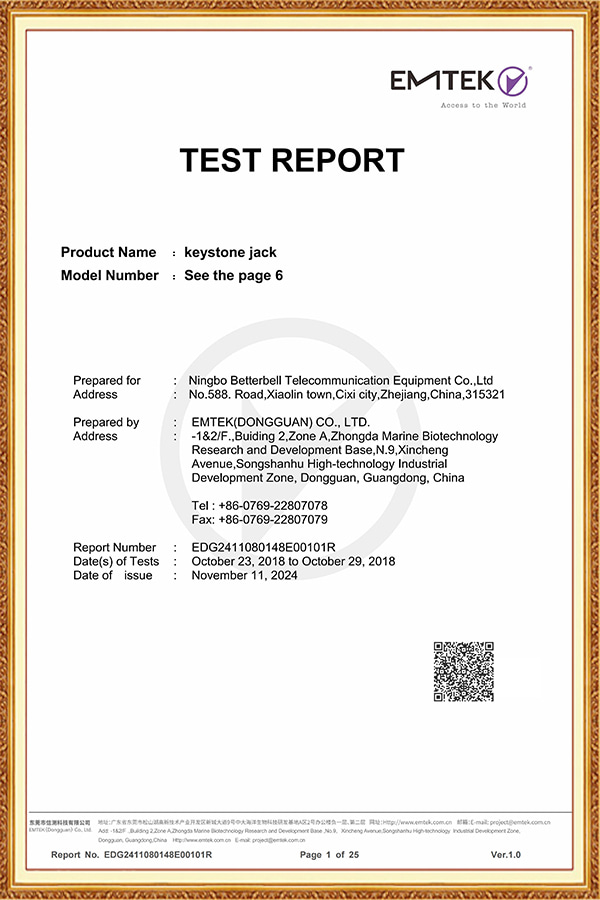
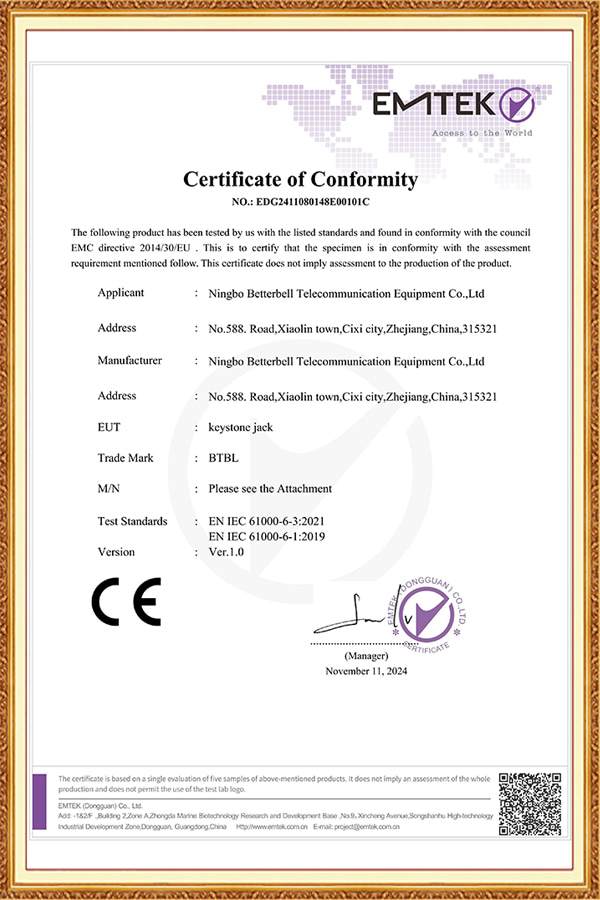
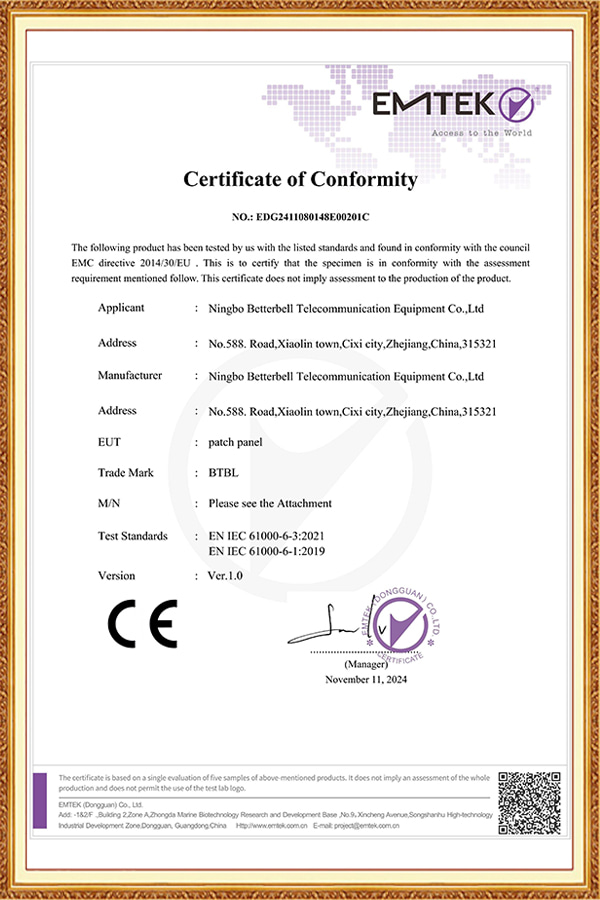
Certificate Of Honor
News
-
-
What is the Difference? A Patch Panel is a passive hardware unit that organizes and manages cable terminations, primarily within a single rack or enclosure, enabling flexible connections between devices. An Intermediate Distribution Frame (IDF) is a complete distribution point or room that houses multiple patch panels, switche...
Read More -
The Direct Answer: A Face Plate Is Your Network's Termination Point The primary function of a face plate is to serve as the clean, secure, and organized termination point for low-voltage cabling (like Ethernet, coaxial, or audio cables) on a wall or surface. Using it correctly means housing female connectors—such as keystone ja...
Read More
Toolless Plug Industry Knowledge
What are the advantages of toolless plugs for on-site installation?
Core Advantages of Toolless Plugs for On-site Installation
The core design of toolless plugs is to simplify on-site operations, making them particularly suitable for high-density installation environments in data centers and industrial settings.
1. Quick Connection and Disconnection
Instant Connection: No crimping pliers or screwdrivers are needed; simply insert the cable to complete the connection, significantly reducing installation time.
Easy Maintenance: When replacement or rewiring is required, simply pull out the tool to disconnect, avoiding the risk of cable damage common with traditional connectors.
Application Scenarios: Particularly suitable for temporary cabling, on-site commissioning, and environments requiring frequent equipment replacement.
2. Reduced Tool Dependence and Costs
Elimination of Tool Procurement: Traditional crimping connections require specialized crimping tools, which are costly and space-consuming; toolless plugs eliminate this hardware requirement.
Reduced Training Costs: On-site installation personnel do not require complex crimping training, reducing human resource investment.
Enhanced Safety: Simple operation reduces the possibility of misoperation, improving on-site safety.
3. Adaptable to High-Density and Compact Spaces
Compact Size: Toolless designs are typically more compact, making them suitable for use in high-density patch panels.
High Space Utilization: No additional space is needed for tool storage or crimping equipment, optimizing the internal layout of the server rack.
| Key Advantage | Specific Benefits | Applicable Scenarios |
| Rapid Connection & Disconnection | No need for crimping or screws; direct plug-and-play. | Temporary wiring, on-site debugging. |
| Reduced Tool Dependency & Cost | Eliminates the need for specialized crimping tools; lowers training costs. | Small to medium data centers, budget-constrained projects. |
| High-Density Space Compatibility | Compact design optimizes rack layout. | High-density patch panels, space-constrained cabinets. |
How to Identify Genuine or Counterfeit Toolless Plugs from Different Manufacturers?
1. Verify Manufacturer Qualifications and Certificates
Check Manufacturer Information: Reputable manufacturers usually display detailed information on their products, such as the brand logo of Ningbo Betterbell Telecommunication Equipment Co., Ltd.
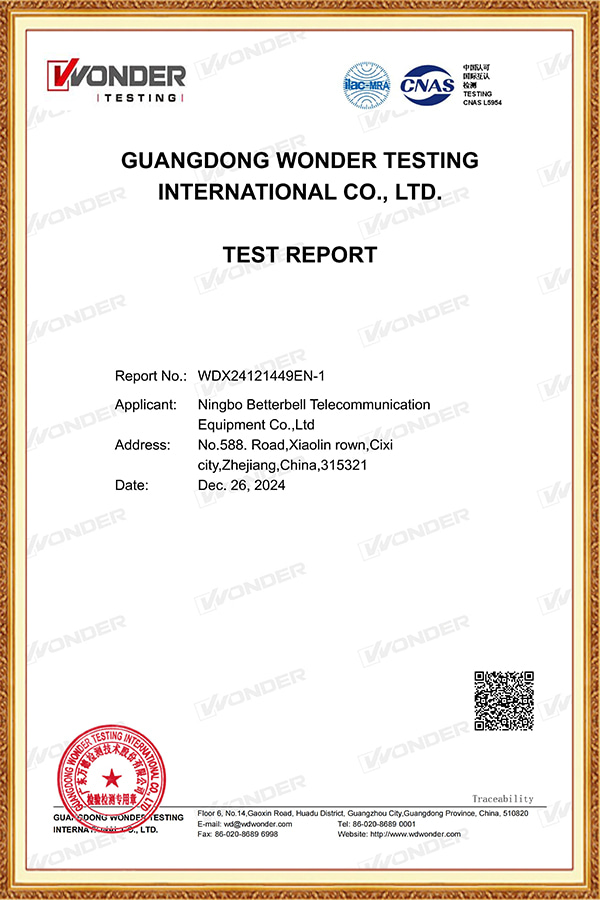
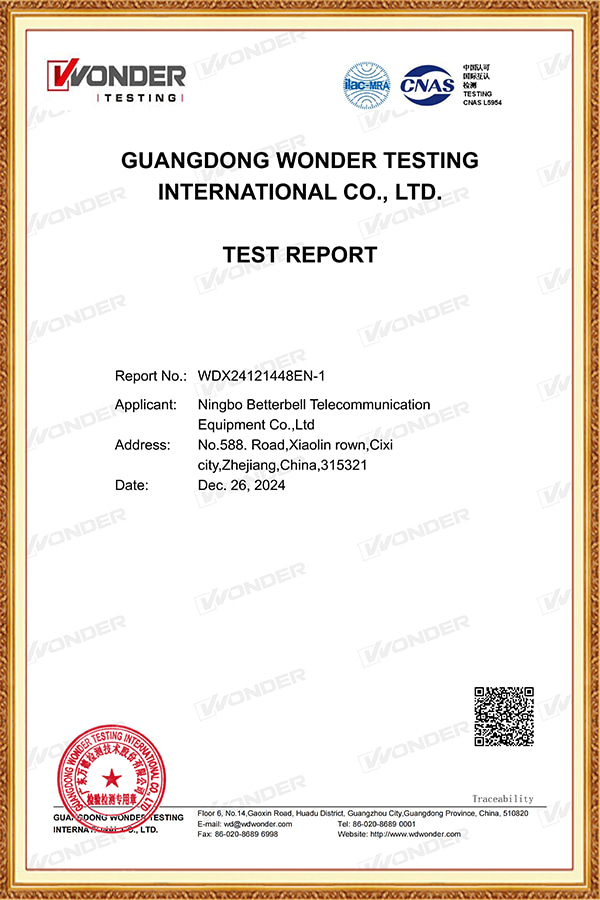
Check IP68 Rating: For outdoor or high-protection products, check the OEM IP68 TOOLLESS CONNECTOR certification. Genuine products will have complete dustproof and waterproof test reports.
2. Physical Appearance and Workmanship Inspection
Observe the Connector Quality: Genuine plugs have a sturdy shell material and uniform injection molding; inferior products may have injection burrs, uneven seams, and other problems.
Check the wiring terminals: The internal metal contacts should be smooth and free of oxidation. Inferior products may have blackened or uneven contacts, affecting signal transmission.
3. Reference Channels and Packaging
Purchase through official channels: Prioritize officially authorized distributors or brand flagship stores on major e-commerce platforms, avoiding unofficial channels tempted by low prices.
Check packaging information: Genuine products usually have a product batch number, production date, and barcode clearly printed on the packaging.
| Verification Dimension | Key Identification Points | Inspection Method |
| Manufacturer Credentials | Verify if it's a genuine product from Ningbo Betterbell Telecommunication Equipment Co., Ltd. | Check packaging labels, production batch numbers. |
| Protection Rating | Look for IP68 rating for dust and water resistance. | Review waterproof and dustproof certification documents. |
| Physical Craftsmanship | Solid housing, uniform injection molding; smooth, non-oxidized contacts. | Visual inspection, tactile assessment. |
| Supply Chain Source | Purchase through authorized channels to avoid low-price traps. | Verify seller credentials, request official invoices. |
What are the application scenarios for Toolless Connectors in Outdoor Fiber to the X (FTTx) Access?
Application Scenarios of Toolless Connectors in Outdoor Fiber to the X (FTTx) Access
Toolless Connectors are widely used in FTTx (Fiber to the X) scenarios due to their high protection and convenience.
1. Outdoor Protection and Environmental Adaptability
High Protection Rating: Outdoor environments are often dusty, humid, and even rainy. IP68-rated Toolless Connectors are completely dust and water resistant, ensuring stable operation of the fiber optic connector in harsh environments.
Purchase through official channels: Prioritize officially authorized distributors or brand flagship stores on major e-commerce platforms, avoiding unauthorized channels and ensuring stable operation of the fiber optic connector in harsh environments.
Corrosion-resistant materials: Typically made of UV-resistant and corrosion-resistant plastic, suitable for prolonged outdoor exposure.
2. Rapid deployment and maintenance
Field quick connectors: In Fiber to the Home (FTTH) or Fiber to the Building (FTTB) installations, toolless connectors enable rapid termination protection after fiber optic splicing, eliminating the need to wait for adhesive to cure.
Easy upgrades: If fiber optic lines need to be replaced, the toolless disassembly feature of toolless connectors makes the upgrade process smoother and reduces the risk of secondary damage.
3. Compatibility and standardization
Standardized interfaces: Most toolless connectors are compatible with domestic and international standard fiber optic connectors, suitable for different types of fiber optic accessories such as SC and LC.
Suitable for various scenarios: Besides outdoor fiber optic boxes, they are commonly found inside patch panels, fiber optic distribution boxes, and industrial control boxes.
| Application Dimension | Scenario Characteristics | Key Role |
| Outdoor Protection | Exposure to rain, dust, and harsh environments. | IP68 rating provides water and dust resistance. |
| Rapid Deployment | Immediate encapsulation needed after fiber splicing on-site. | Tool-free, plug-and-play installation reduces deployment time. |
| Compatibility | Must accommodate various fiber connector types (e.g., SC, LC). | Standardized interface design suitable for diverse fiber systems. |
Frequently Asked Questions (FAQ)
Q1: Which industries are toolless connectors suitable for?
A: Primarily used in communications, data centers, automation, industrial control, and energy and power industries.
Q2: What are the application specifications for toolless plugs in patch panels?
A: Typically used in horizontal cabling systems, supporting quick plug-and-play and modular management.
Q3: What are the installation steps for toolless plugs?
A: Steps: Align the terminals → Press firmly/rotate → Confirm locking.
Q4: How do suppliers of OEM IP68 toolless connectors guarantee quality?
A: This includes manufacturing processes, raw material supplier certifications, and factory test reports.
Looking for the Reliable & Professional
Partner with the Best BTBL.
Contact Us
-
 No. 588, Xiaolin Avenue, Xiaolin Town, Cixi City, Zhejiang Province
-
 [email protected]
-
 +86-574-63507962
-
 +86-15988643730
QUICK LINKS
Copyright Ningbo Betterbell Telecommunication Equipment Co., Ltd. All rights reserved. OEM IP68 Toolless Connector Manufacturer
