

 English
 Deutsch
 Español
 русский

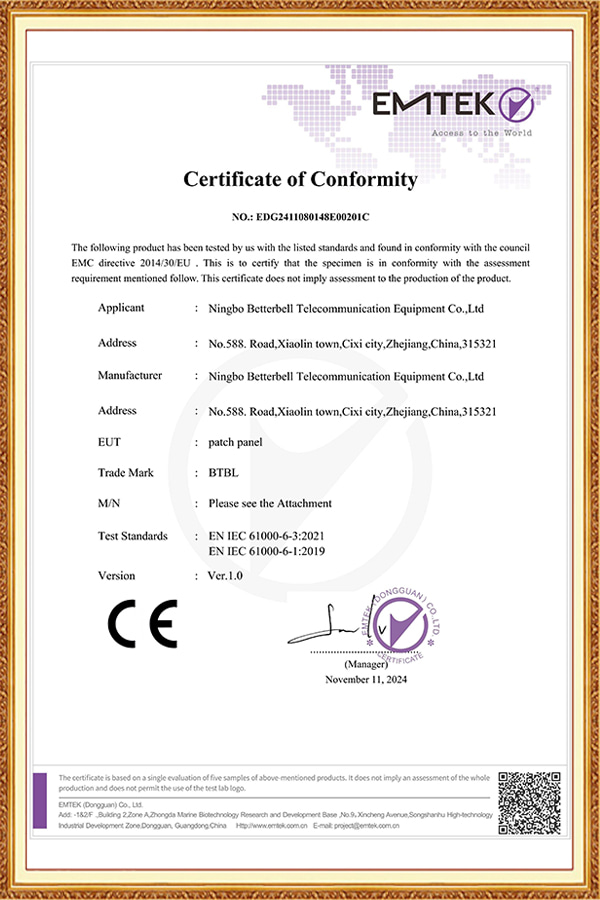
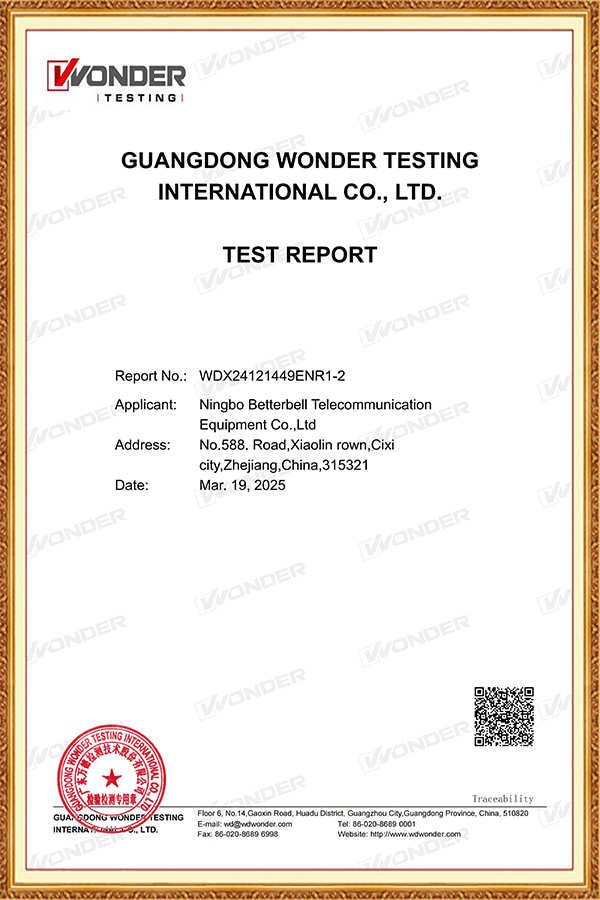
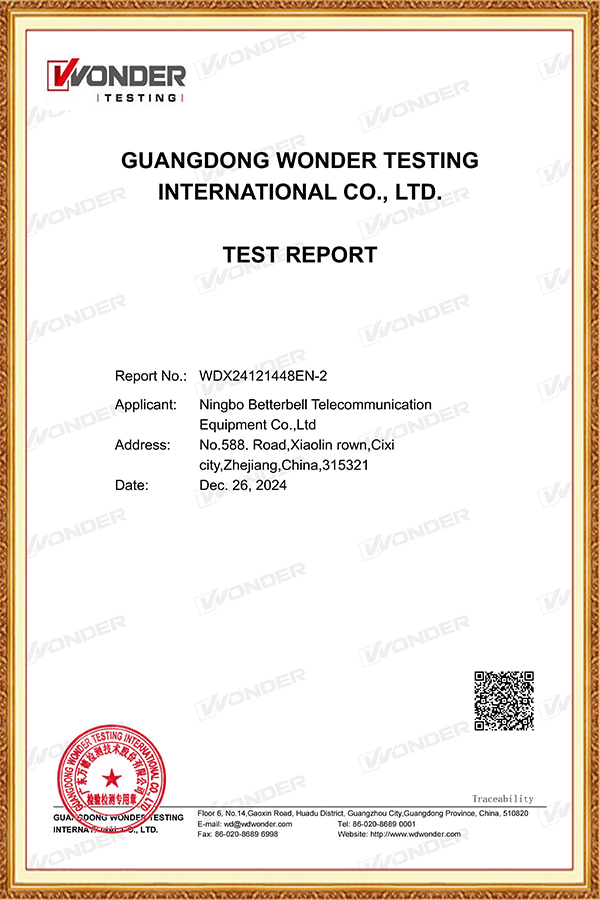
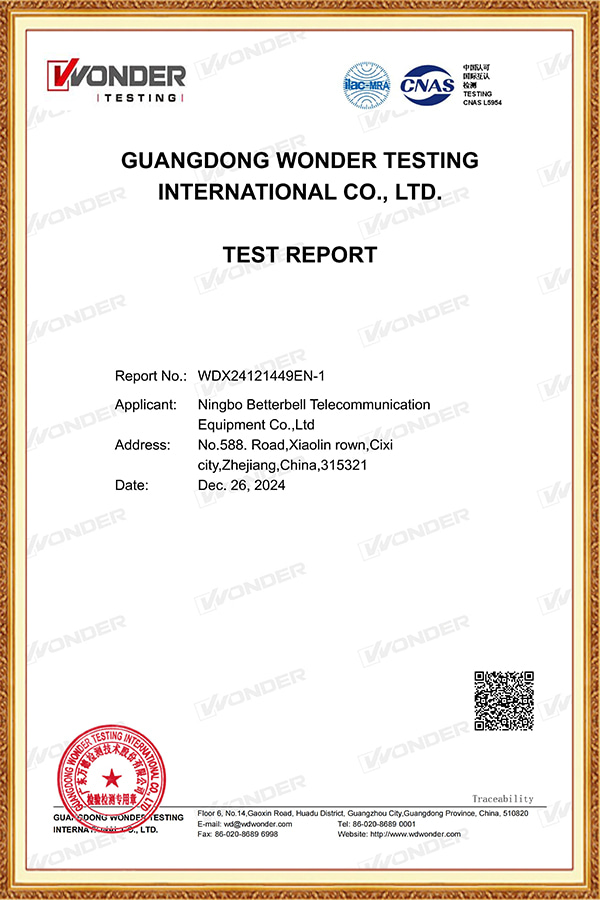
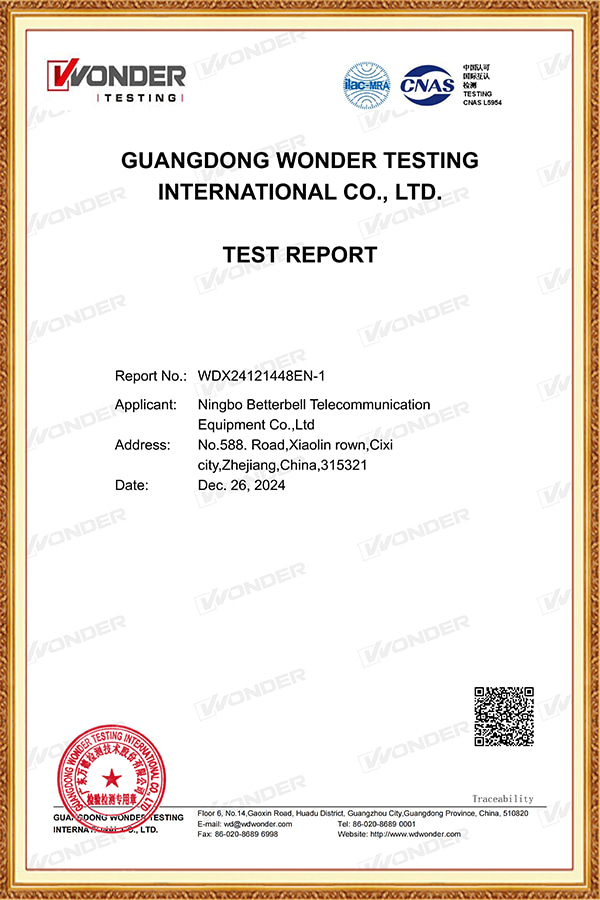
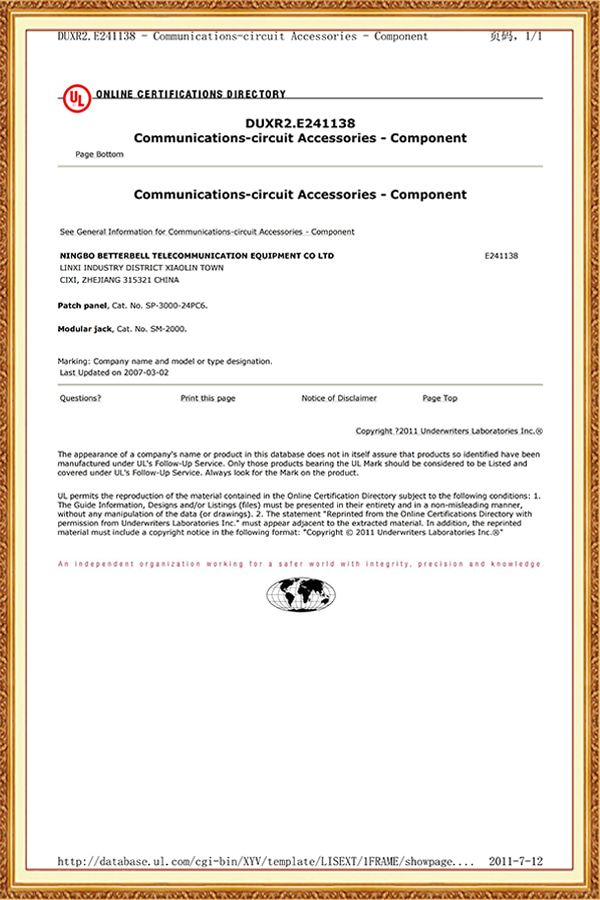
A Patch Panel Is Your Network’s Centralized Control Point A patch panel functions as a static, centralized termination point that organizes, protects, and simplifies your structured cabling infrastructure. Instead of running long horizontal cables directly to active switches (which risks damage and creates chaos), all cables t...
Read More
Product Series
Product Category
OEM Face Plate Manufacturer
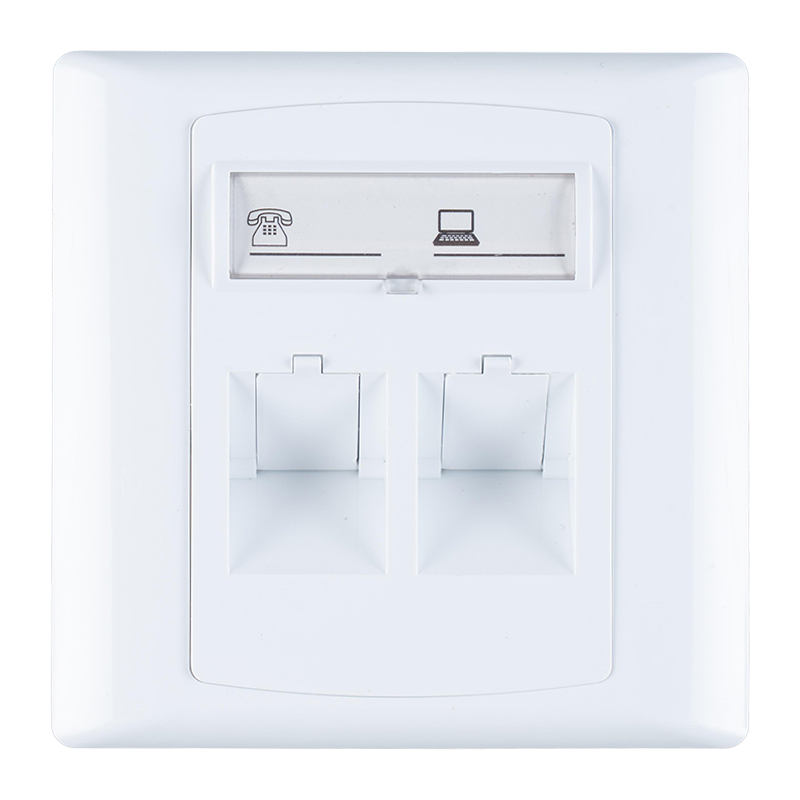
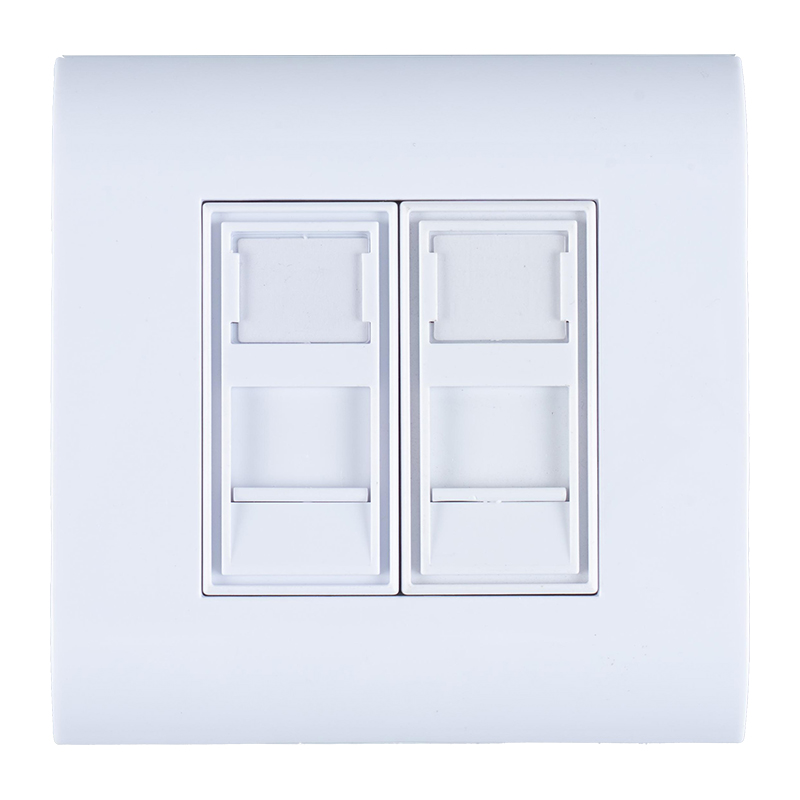
Faceplates are protective and decorative panels mounted on walls or patch panels, securing and protecting various interface sockets, Keystone modules, or connectors. They not only provide a clean appearance but also ensure secure and stable connection points. Faceplates of varying sizes and styles can accommodate diverse wiring requirements, enhancing the aesthetics and professionalism of the overall wiring system.
-
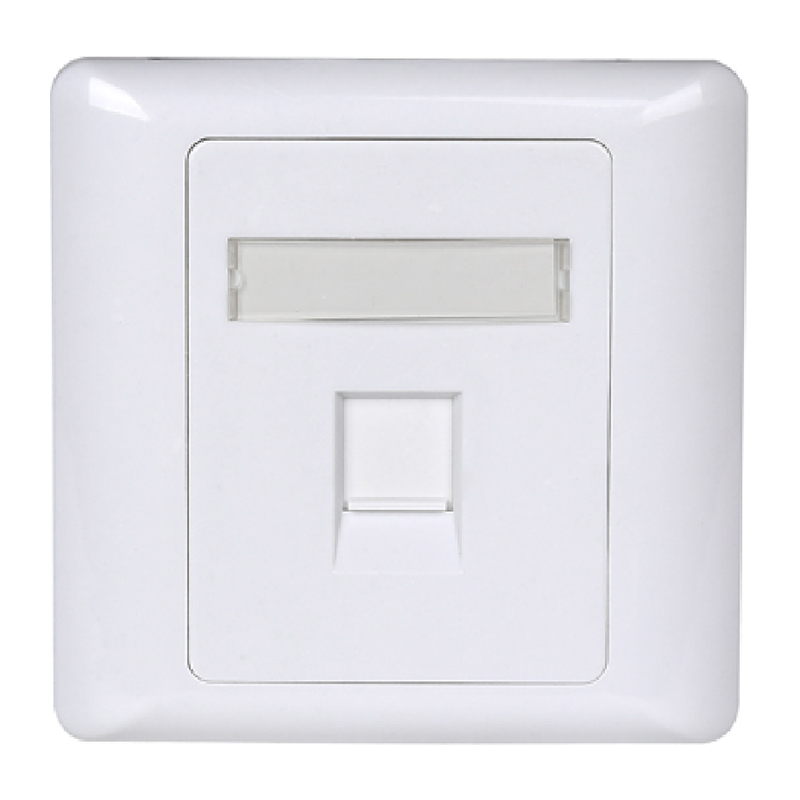
Single-slot 86-type panelSW-4301AP-86-1P
-
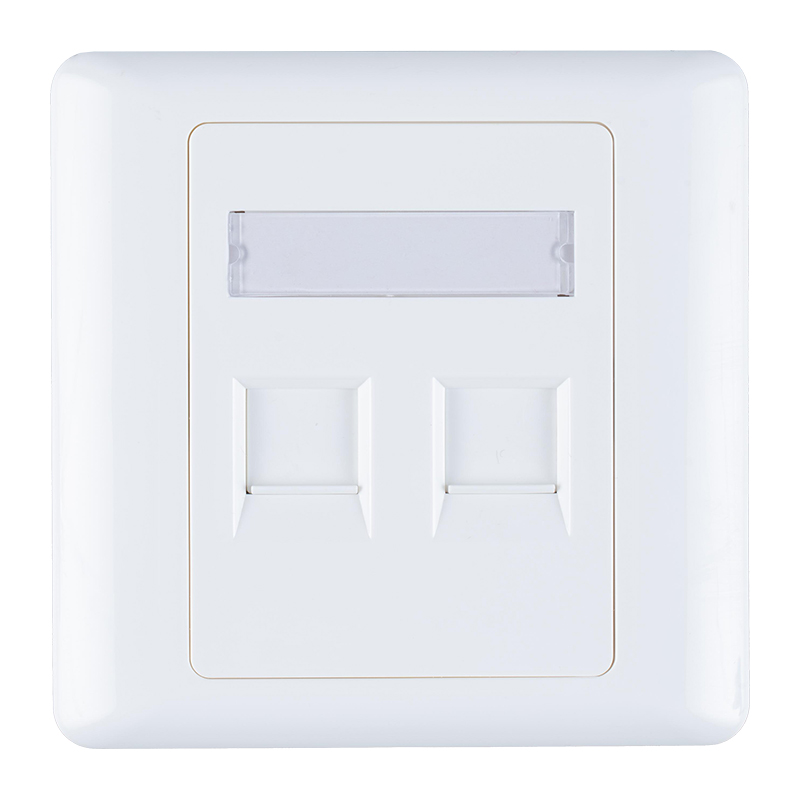
86-type two-ports panel SW-4301AP-86-2P
-
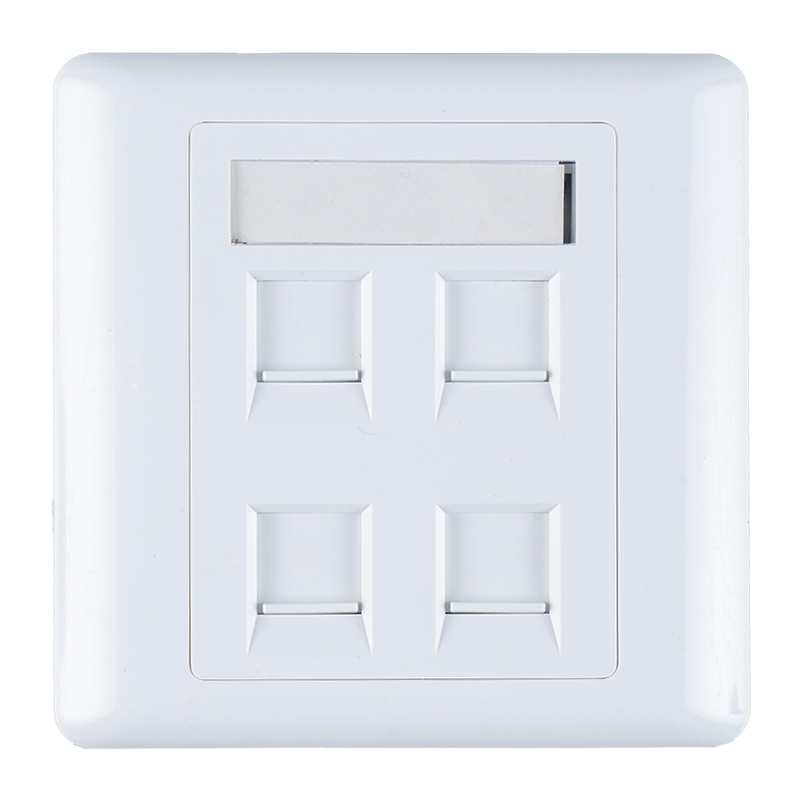
86-type four-ports panel SW-4301AP-86-4P
-
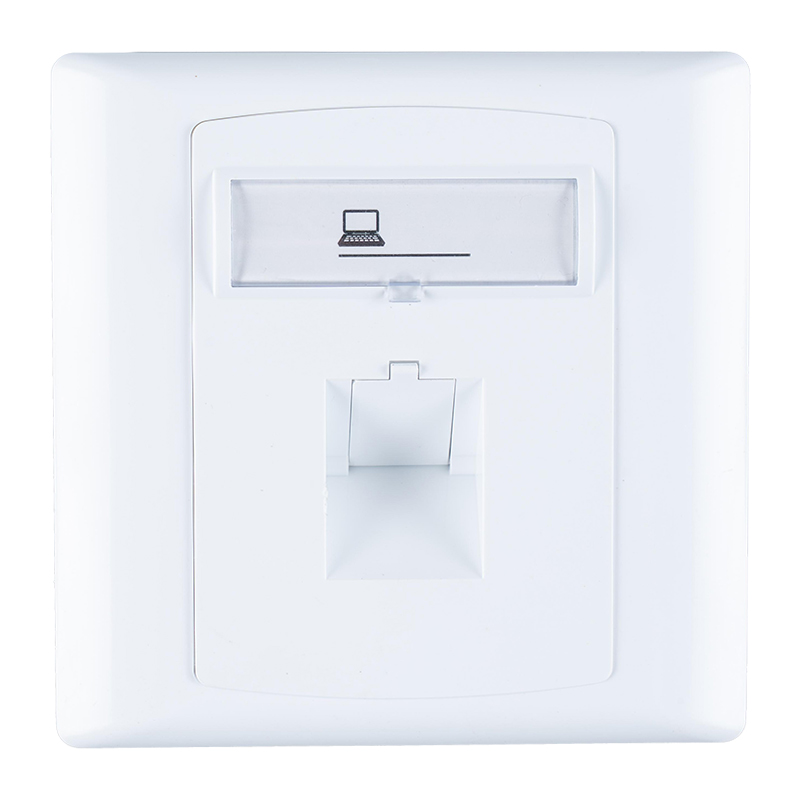
86-type single-port panel SW-4302AP-1P
-
Type 86 dual-slot panel SW-4301AP-86-2P
-
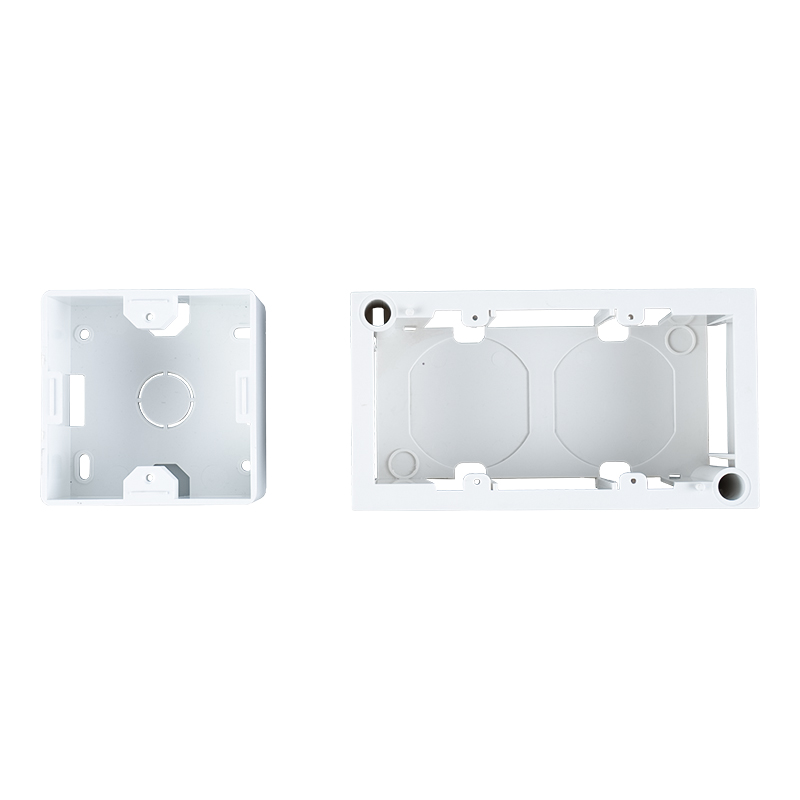
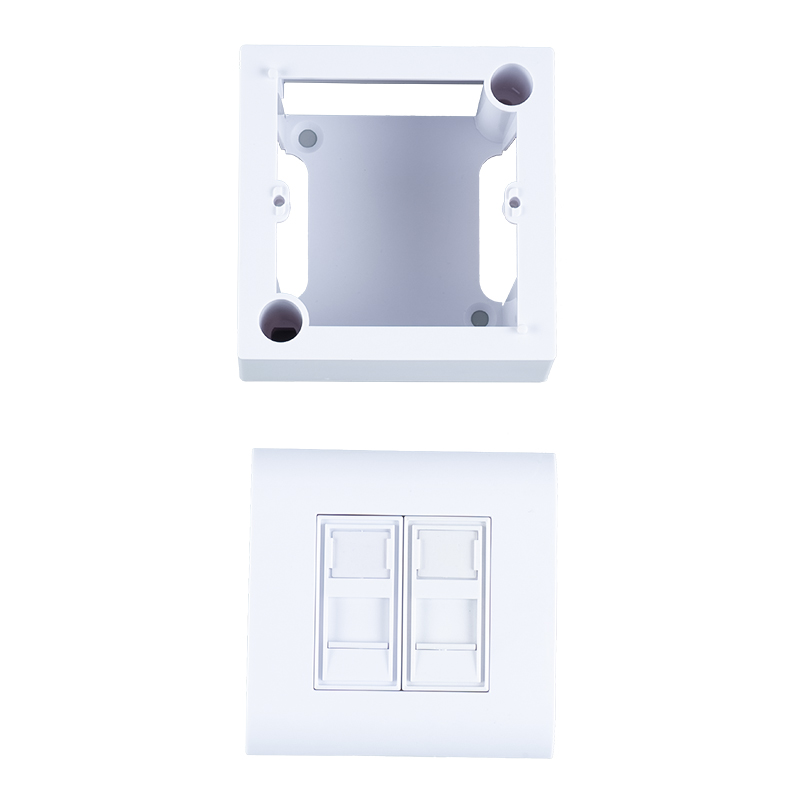
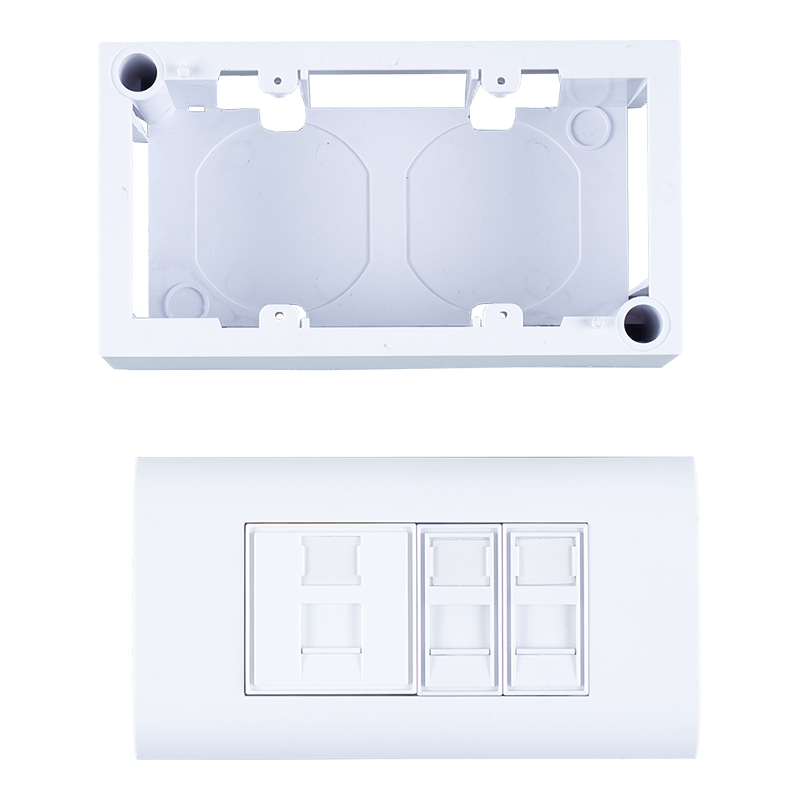
86/120 type bottom box SW-4027A-86 SW-4028A-120
-
80-type Blank Wall Plate with 2 Openings SW-4226A SW-4228A
-
80-type bottom box SW-4226B SW-4226A + SW-4228B
-
150 type bottom box SW-4227B SW-4277A+SW-4228A+SW-4228B
Message Feedback
About Us
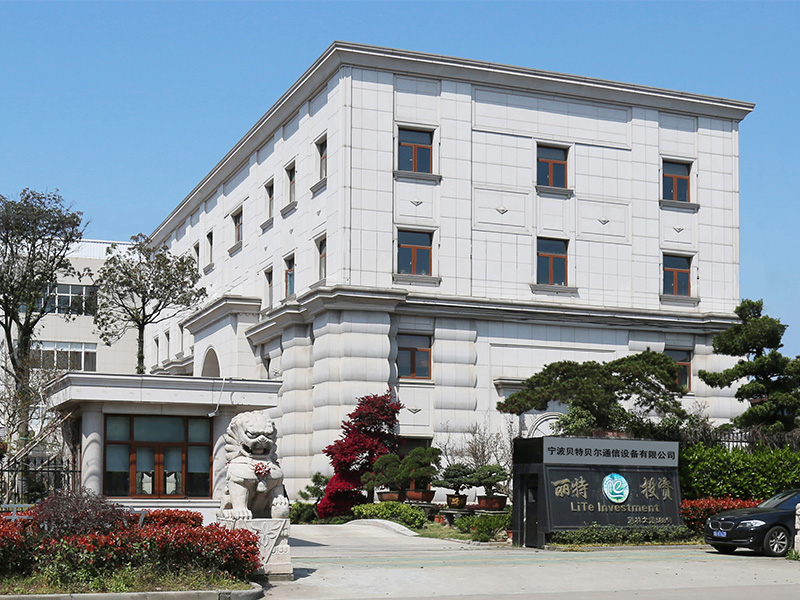
Ningbo Betterbell Telecommunication Equipment Co., Ltd.
Ningbo Betterbell Telecommunication Equipment Co., Ltd. (BTBL), founded in 2002 and located in Ningbo, China, enjoys convenient transportation, with close proximity to Ningbo and Shanghai seaports as well as major airports. We OEM Face Plate Manufacturer and Custom Mounting Box & Bottom Box Factory, specialize in the R&D and manufacturing of structured cabling products, with core offerings including Toolless Plugs, Keystone Jacks, and Patch Panels, widely applied in data centers, office networks, and industrial communications. BTBL holds independent intellectual property rights and import/export licenses, and is committed to delivering high-quality, high-performance connectivity solutions to customers worldwide.
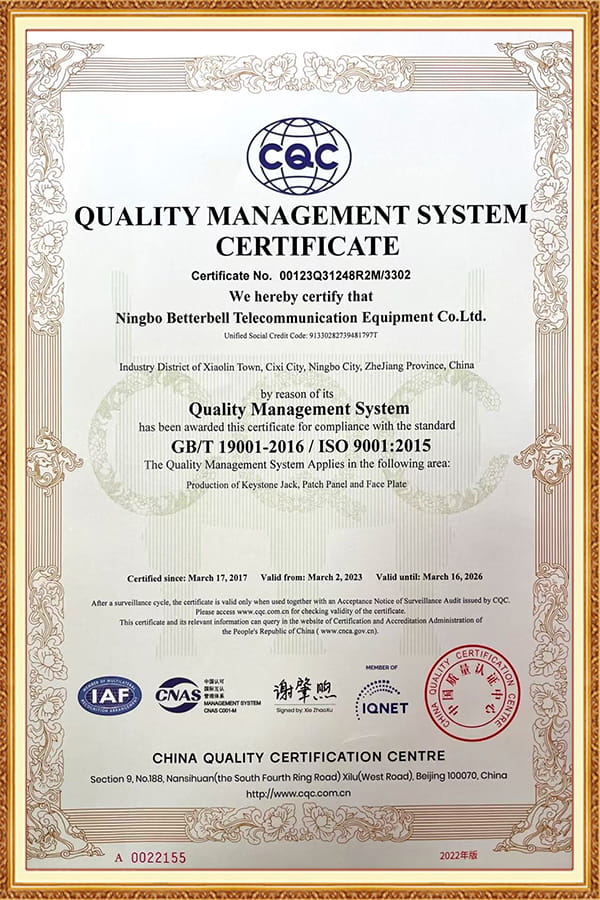
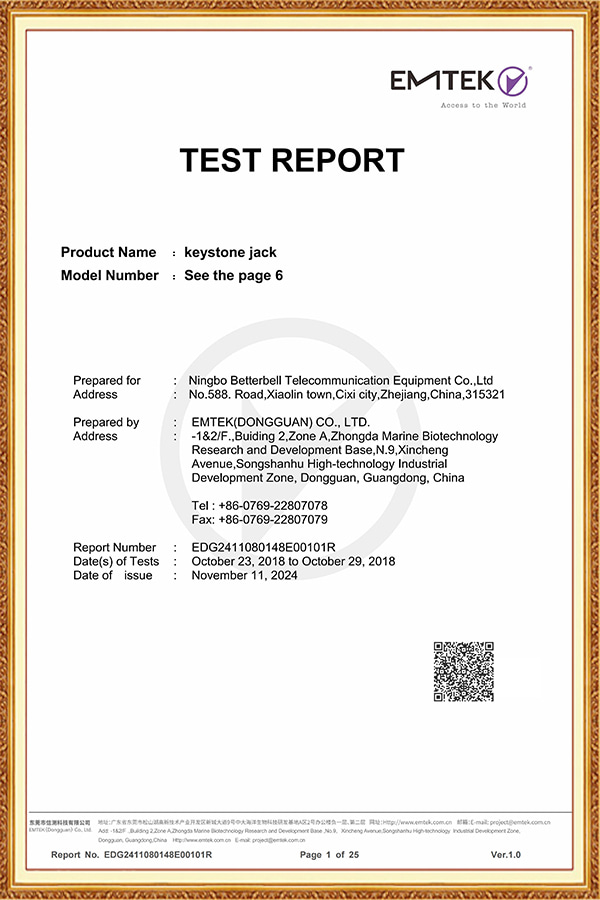
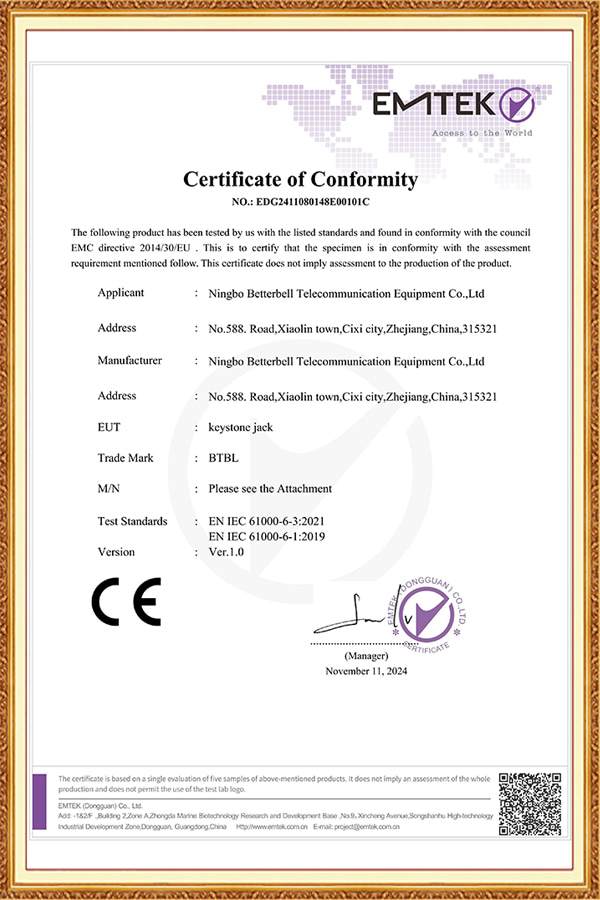
Certificate Of Honor
News
-
-
What is the Difference? A Patch Panel is a passive hardware unit that organizes and manages cable terminations, primarily within a single rack or enclosure, enabling flexible connections between devices. An Intermediate Distribution Frame (IDF) is a complete distribution point or room that houses multiple patch panels, switche...
Read More -
The Direct Answer: A Face Plate Is Your Network's Termination Point The primary function of a face plate is to serve as the clean, secure, and organized termination point for low-voltage cabling (like Ethernet, coaxial, or audio cables) on a wall or surface. Using it correctly means housing female connectors—such as keystone ja...
Read More
Face Plate Industry Knowledge
What are the main functions of a Face Plate?
The face plates manufactured by Ningbo Betterbell are not merely decorative pieces, but indispensable core components in communication systems. Their main functions can be summarized as follows:
1. Protection and Safety
Physical Protection: The face plate, with its robust plastic or metal casing, effectively protects internal Keystone modules, RJ45 sockets, and other interfaces from damage caused by dust, liquids, or accidental impacts, ensuring long-term network connection stability.
Electrical Insulation: High-quality face plate materials possess excellent insulation properties, preventing short circuits and leakage, ensuring user safety and the normal operation of equipment.
2. Connection and Management
Convenient Access: As the "face" of a wall or cabinet, the face plate provides a standardized interface layout, making fiber optic or copper cable connections more organized and facilitating installation and subsequent maintenance.
Label Management: Through the pre-drilled holes on the face plate, users can easily affix labels to quickly identify the purpose of different ports, improving the efficiency of troubleshooting and daily management.
3. Aesthetics and Professionalism
Unified Appearance: The panel integrates scattered cables and interfaces into a square box, concealing messy wiring terminals and making the computer room or office environment cleaner and more aesthetically pleasing.
Brand Image: High-quality panels enhance the professionalism of the entire communication system, meeting the requirements of modern architecture and enterprises for "refined engineering."
| Key Functions | Specific Roles |
| Protection & Safety | Prevents damage from dust, liquids, and accidental impacts; ensures electrical insulation to prevent short circuits |
| Connectivity & Management | Provides standardized port layout for quick access and maintenance; supports labeling for rapid fault identification |
| Aesthetics & Professionalism | Organizes tangled cables, hides internal terminals, enhancing overall tidiness of server rooms or offices |
What is the difference between Betterbell's communication face plates and ordinary junction boxes?
The communication panels produced by Ningbo Betterbell Telecommunication Equipment Co., Ltd. differ fundamentally from ordinary junction boxes in design and function:
1. Differences in Design Positioning
Face Plate: Primarily used for wall mounting, providing an aesthetically pleasing external interface display surface. It is the "front end" for direct interaction between the system and the user, typically used to display standard interfaces such as RJ45 and fiber optics.
Gunnel Box (Mounting Box): Usually refers to a wall box or bottom box, which is the "basic support" for mounting the face plate. Junction boxes are primarily used for mounting inside walls, providing internal space for Keystone modules or other sub-boards, serving a "concealed" function.
2. Differences in Structure and Function
Front Panel: Emphasizes appearance, interface layout, and ease of plugging and unplugging. It typically has screw holes for securing the front panel.
Jungle Box: Emphasizes structural strength and internal space. It usually has mounting clips or slots to secure the front panel and provides sufficient space for multiple cables.
3. Differences in Usage Scenarios
Front Panel: Primarily used in equipment rooms, front-end of patch panels, or on walls for direct use by end users.
Jungle Box: Primarily used for wiring management inside walls or equipment; it's the "unsung hero" of the front panel and is usually not visible.
| Comparison Dimension | Betterbell Face Plate | Standard Mounting Box (BoxMounting Box) |
| Primary Positioning | Serves as the external display surface, the front-end directly interacted with by users | Acts as an internal support structure, concealing the installed face plate |
| Functional Focus | Emphasizes aesthetics, port layout, and ease of plug insertion | Emphasizes structural strength and internal space for housing cables |
| Typical Location | Mounted on walls or the front of cabinets, directly exposed | Installed within walls or behind equipment, usually not visible |
Does Betterbell have dedicated front panel products for Fiber to the Home (FTTH)?
Ningbo Betterbell Telecommunication Equipment Co., Ltd. not only provides standard communication front panels but also has developed dedicated front panel products specifically for FTTH.
1. Dedicated Product Line
FTTH Termination Boxes/Panels: Betterbell manufactures FTTH termination boxes and panels specifically for FTTH networks. These products are typically used at the final distribution point after fiber optic cables enter the user's home, splicing or distributing fiber optic cables to indoor patch cords.
Modular Design: FTTH panels are typically equipped with pre-drilled holes, allowing users to install LC, SC, or other types of fiber optic modules as needed, flexibly adapting to different operator fiber optic standards.
2. Product Specifications and Features
Standardized Size: FTTH panels typically use standard 86mm or 120mm square dimensions for easy installation with wall-mounted boxes.
High-Density Connections: Designed for the high bandwidth requirements of FTTH, these panels feature high-density fiber optic connection ports, ensuring complete optical signal transmission.
3. Application Scenarios
Fiber to the Home: These dedicated panels are widely used in Fiber to the Home (FTTH) projects, acting as a bridge between the operator's fiber optic lines and the user's home network, providing a reliable fiber optic interface.
| Product Type | Core Features | Application Scenarios |
| FTTH Termination Box / Panel | Supports LC/SC and other fiber modules; high-density connections; standardized 86mm/120mm square dimensions | FTTH (Fiber to the Home) projects; bridging carrier fiber lines with user internal networks |
| Modular Design | Allows users to install various fiber modules as needed; accommodates multiple carrier standards | Fiber distribution points; home fiber interface upgrades |
| High-Performance Connectivity | Ensures complete transmission of optical signals; supports high-bandwidth requirements | Data centers and high-performance network environments |
Frequently Asked Questions (FAQ)
Q1: What indicators should I pay attention to when choosing a face plate?
A: You should pay attention to the panel material (ABS plastic or metal), thickness (common 86mm, 86x86mm, 100mm), compatible module standards (US/UK/German standards), and whether it meets fire protection standards.
Q2: What are the cost advantages of bulk purchasing face plates?
A: Bulk purchasing usually allows for OEM customization services, and logistics costs are relatively lower, making it suitable for large data centers or renovation projects.
Q3: What are the differences in panel materials?
A: Common materials include ABS plastic (lightweight, low cost) and metal (durable, good protection). High-end panels usually require flame-retardant materials.
Q4: Can the panel be installed outdoors?
A: Yes, but you need to choose an outdoor panel with a waterproof and dustproof rating (IP rating). Ordinary indoor panels are not suitable for prolonged exposure to rain.
Looking for the Reliable & Professional
Partner with the Best BTBL.
Contact Us
-
 No. 588, Xiaolin Avenue, Xiaolin Town, Cixi City, Zhejiang Province
-
 [email protected]
-
 +86-574-63507962
-
 +86-15988643730
QUICK LINKS
Copyright Ningbo Betterbell Telecommunication Equipment Co., Ltd. All rights reserved. OEM Face Plate Manufacturer
