

 English
 Deutsch
 Español
 русский
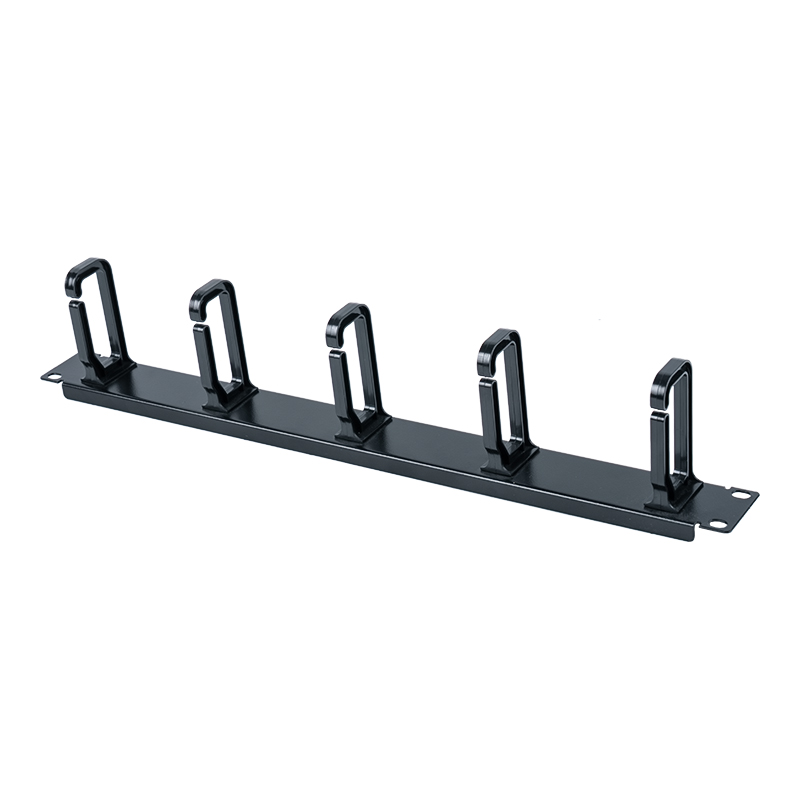
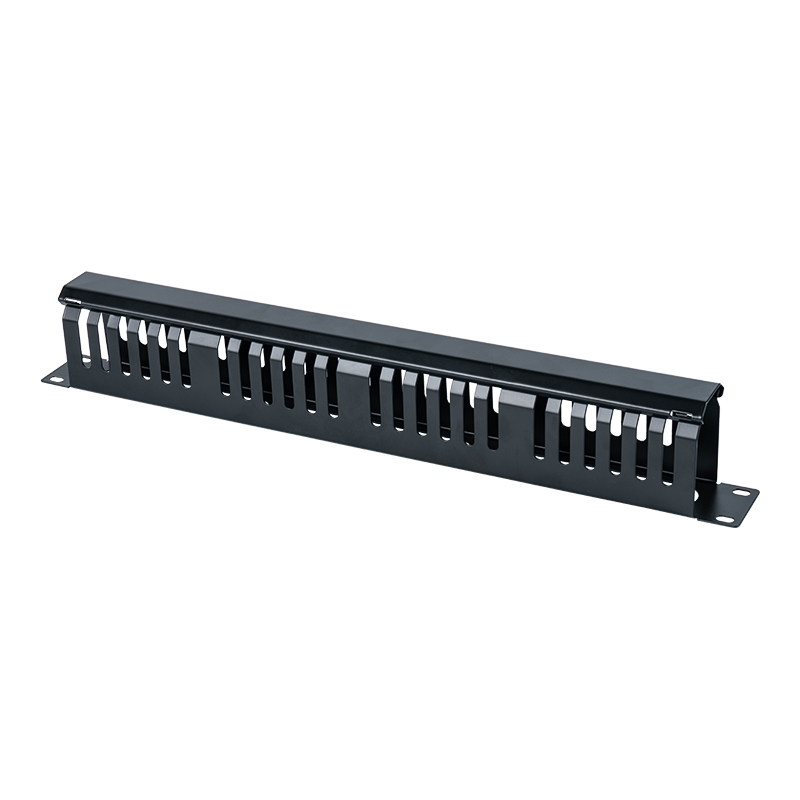
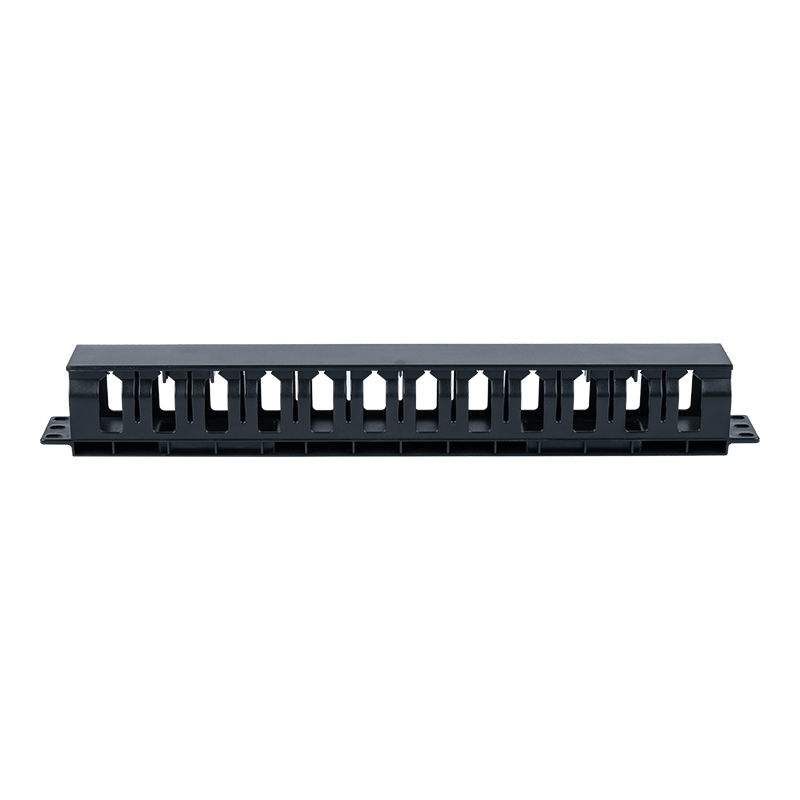
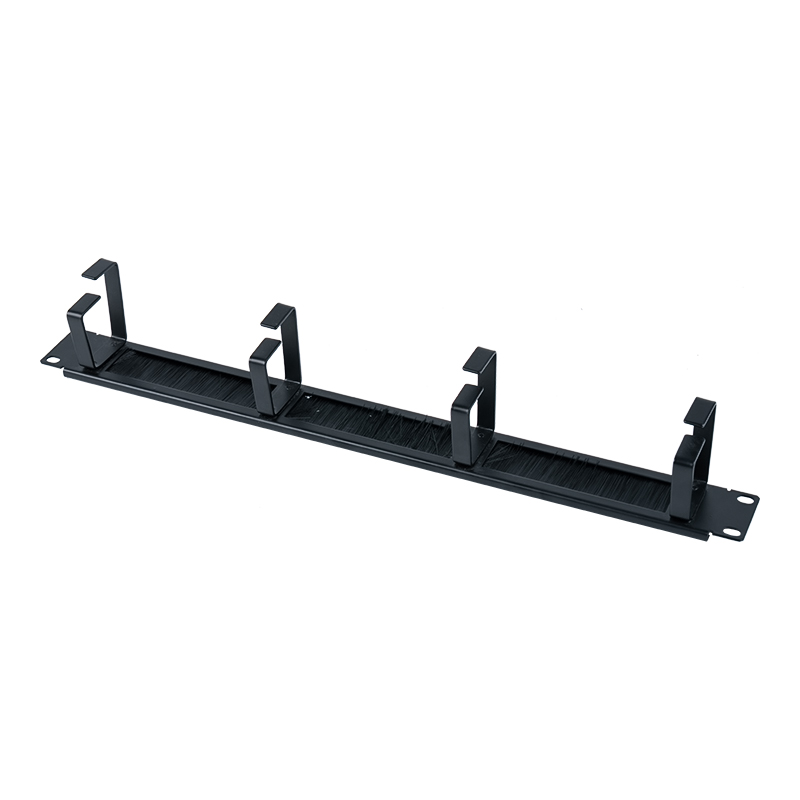

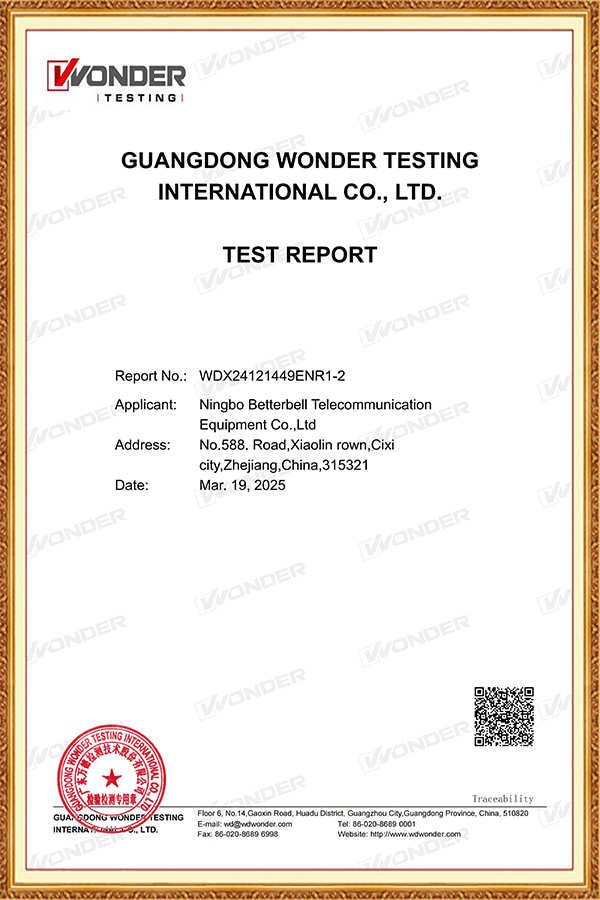
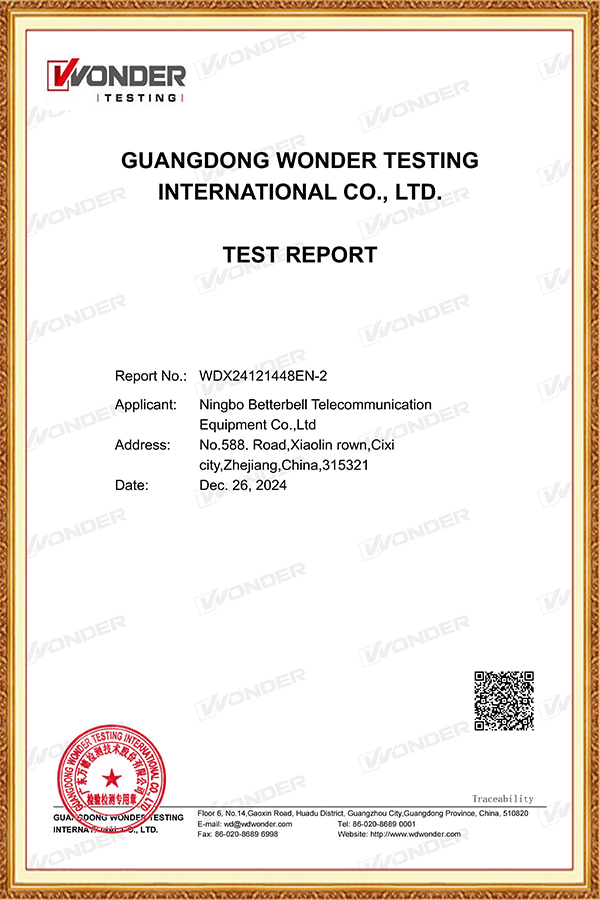
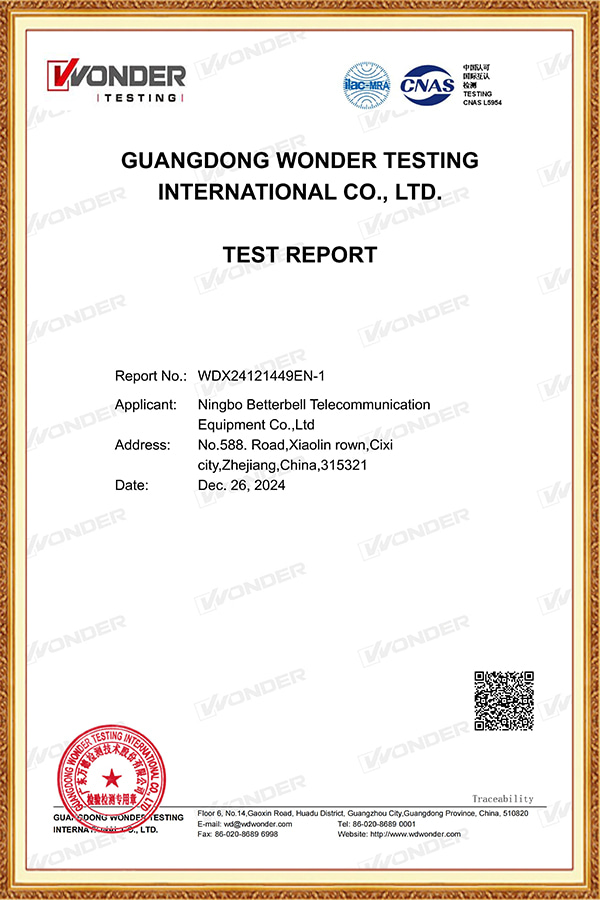
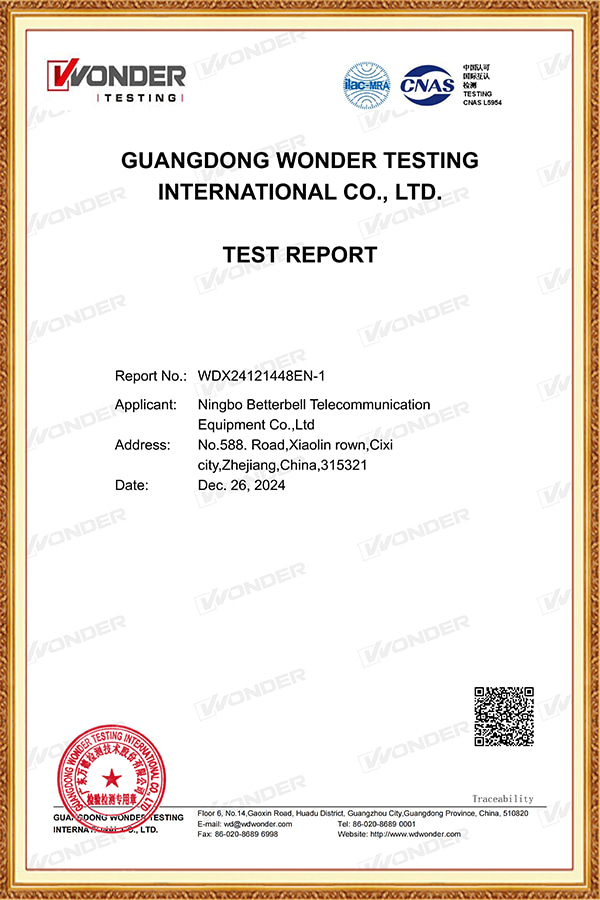

A Patch Panel Is Your Network’s Centralized Control Point A patch panel functions as a static, centralized termination point that organizes, protects, and simplifies your structured cabling infrastructure. Instead of running long horizontal cables directly to active switches (which risks damage and creates chaos), all cables t...
Read More
Product Series
Product Category
OEM Cable Manager Manufacturer
Message Feedback
About Us
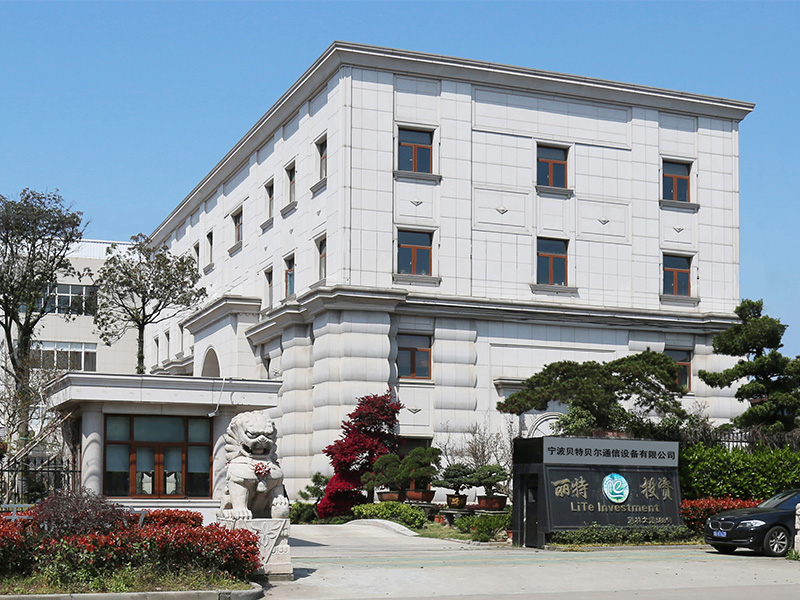
Ningbo Betterbell Telecommunication Equipment Co., Ltd.
Ningbo Betterbell Telecommunication Equipment Co., Ltd. (BTBL), founded in 2002 and located in Ningbo, China, enjoys convenient transportation, with close proximity to Ningbo and Shanghai seaports as well as major airports. We OEM Cable Manager Manufacturer and Custom Cable Manager Factory, specialize in the R&D and manufacturing of structured cabling products, with core offerings including Toolless Plugs, Keystone Jacks, and Patch Panels, widely applied in data centers, office networks, and industrial communications. BTBL holds independent intellectual property rights and import/export licenses, and is committed to delivering high-quality, high-performance connectivity solutions to customers worldwide.
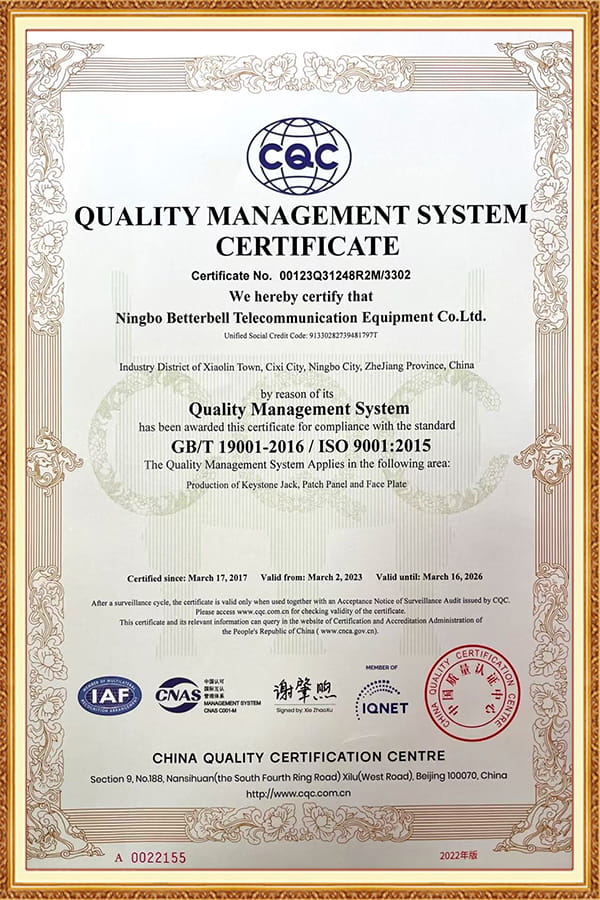
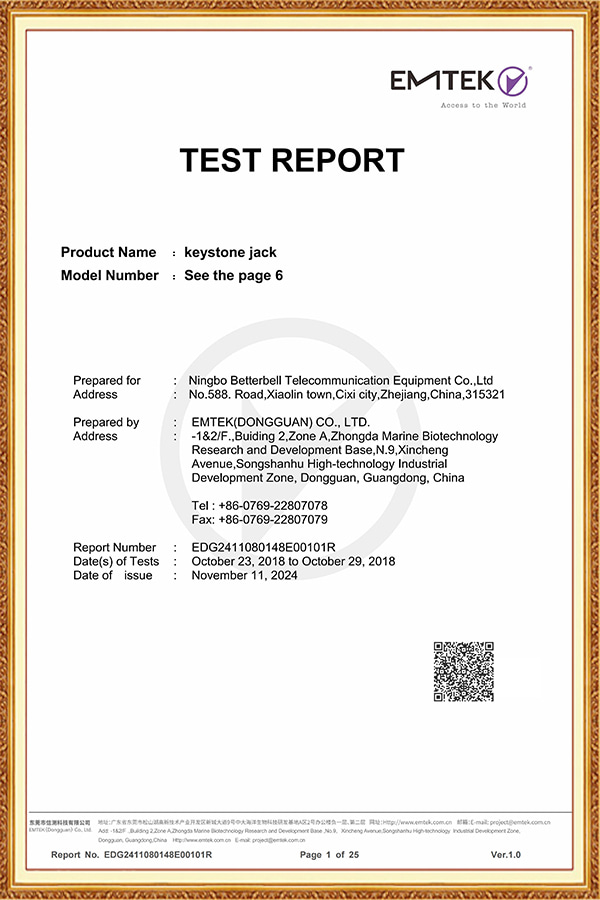
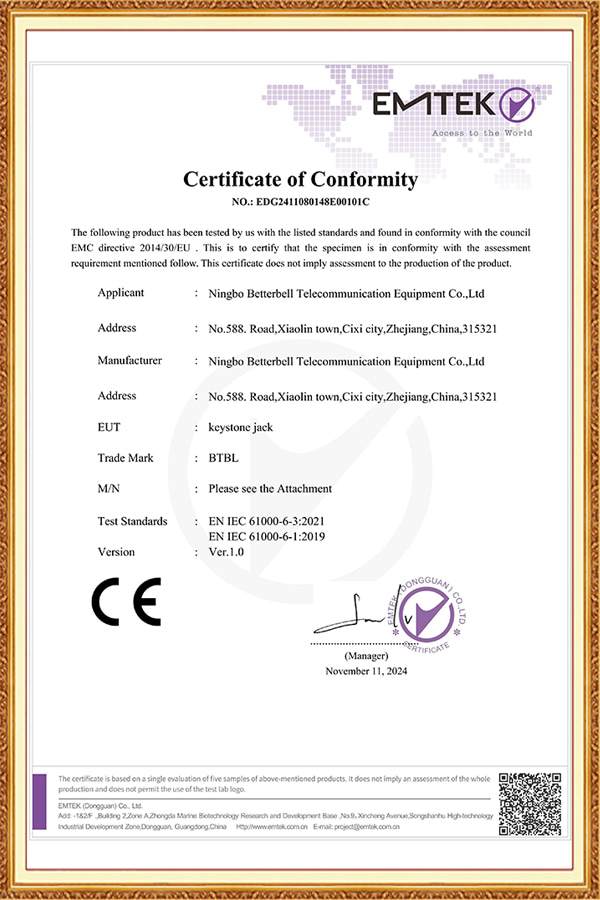
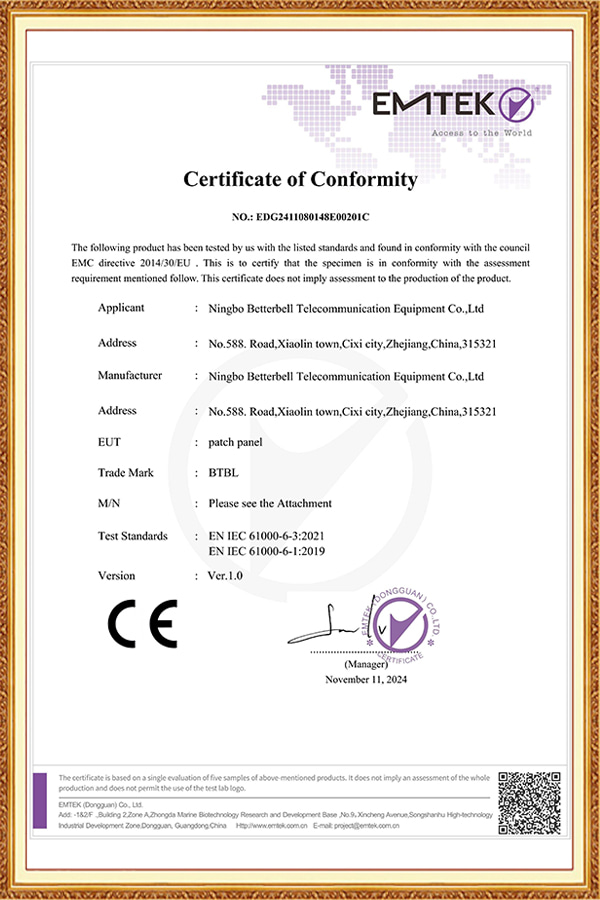
Certificate Of Honor
News
-
-
What is the Difference? A Patch Panel is a passive hardware unit that organizes and manages cable terminations, primarily within a single rack or enclosure, enabling flexible connections between devices. An Intermediate Distribution Frame (IDF) is a complete distribution point or room that houses multiple patch panels, switche...
Read More -
The Direct Answer: A Face Plate Is Your Network's Termination Point The primary function of a face plate is to serve as the clean, secure, and organized termination point for low-voltage cabling (like Ethernet, coaxial, or audio cables) on a wall or surface. Using it correctly means housing female connectors—such as keystone ja...
Read More
Cable Manager Industry Knowledge
Can a Cable Manager manage both power cables and network cables simultaneously?
Cable managers are typically designed with separate channels or multi-layered structures, capable of safely accommodating both power cables and data cables simultaneously, thus meeting the dual power and data transmission needs of modern server rooms and data centers.
1. Independent Channel Design
To avoid electromagnetic interference (EMI) and improve heat dissipation efficiency, Cable Managers usually have separate power cable trays and data cable trays, or use different levels for differentiation. Power cables and network cables do not physically contact each other, reducing the risk of EMI.
2. Compatibility Requirements
Modern patch panels and keystone jacks often provide power supply functions (such as PoE power supply). The role of the Cable Manager is to orderly guide these mixed signals, ensuring the stability of power and signals.
3. Safety and Compliance
Although mixed cabling is possible, industry standards (such as GB 50381) must be followed to ensure minimum spacing between power cables and data cables to meet fire prevention and electric shock safety requirements.
| Key Point | Explanation | Associated Advantages |
| Implementation | Through separate channels or multi-layer designs, they can accommodate both power cables and network cables simultaneously. | Physical isolation maximizes the reduction of electromagnetic interference (EMI), enhancing signal integrity. |
| Safety Standards | Must comply with industry regulations (e.g., GB 50381) to ensure a minimum distance between power and network cables, meeting fire and electric shock prevention requirements. | Guarantees equipment safety and reduces potential hazards. |
| Complementary Needs | Works with PoE (Power over Ethernet) technology; the cable manager is responsible for orderly routing of mixed signals, ensuring both power and data stability. | Suitable for devices requiring power, reducing the complexity of cabling. |
What are the advantages of plastic cable management panels compared to metal panels?
Plastic panels are superior in terms of cost and portability, while metal panels offer advantages in strength and electromagnetic interference (EMI) resistance.
1. Advantages of Plastic Panels
Lightweight and Easy to Install: Plastic cable managers are lightweight and can typically be secured using tape or self-adhesive, requiring no drilling and allowing for quick assembly.
High Flexibility: They can be installed at angles of 90° or greater, suitable for confined spaces or environments requiring frequent maintenance.
Cost Advantage: Compared to metal, plastic panels are less expensive to manufacture, making them suitable for general office networks or small server room cabling.
2. Advantages of Metal Panels
High Strength: Metal cable trays can hold more cables, offering a more robust structure, suitable for large data centers or industrial environments.
Good Protection: Metal panels provide better protection against cable damage or impacts from external objects and typically offer better fire resistance.
EMI Resistance: Metal materials can shield electromagnetic interference (EMI) to a certain extent, providing better protection for high-frequency signals.
| Dimension | Plastic Panel Advantages | Metal Panel Advantages |
| Weight & Installation | Lightweight: Can be fixed with tape or self-adhesive backing without drilling, enabling fast installation. | Sturdy: Heavier and requires pre-drilled holes, but offers a more stable, permanent fix. |
| Applicable Environment | Flexible: Allows 90° or greater angles, suitable for tight spaces or areas requiring frequent maintenance. | Robust: High load-bearing capacity, impact-resistant, suitable for large data centers or industrial settings. |
| Cost & Maintenance | Cost-Effective: Lower manufacturing costs, ideal for standard office networks or small-scale installations. | Durable: Better protection, fire resistance, and EMI shielding, suitable for high-demand scenarios. |
| Technical Performance | Easy to Process: Easy to cut and bend, adaptable to various needs. | Shielding: Metal can provide a degree of EMI shielding, protecting high-frequency signals. |
In which industries are Ningbo Betterbell's Cable Managers primarily used?
Ningbo Betterbell (BTBL)'s Cable Managers primarily serve the high-end data communication field, widely used in data centers, office networks, and industrial communication environments.
1. Data Centers
As a core application scenario, Betterbell's Cable Managers are used to organize high-density fiber optic and copper cabling, ensuring stable and reliable high-speed connections between servers, storage devices, and switches.
2. Office Networks
In enterprise office environments, Cable Managers are used to manage patch panels and keystone jacks, providing neat desktop and server room cabling solutions.
3. Industrial Communications
With its robust structure and high performance, the products are also used in industrial environments such as factory automation and building automation, connecting devices such as PLCs and HMIs.
4. Other Market Segments
Including communication equipment manufacturers, system integrators, and specialized equipment sectors requiring customized cabling solutions.
| Industry | Specific Application Scenario | Product Value |
| Data Centers | Organizing high-density fiber and copper cables, ensuring high-speed connections between servers, storage devices, and switches. | High Performance: Guarantees stable operation of core business systems and efficient data transmission. |
| Office Networks | Managing Patch Panels and Keystone Jacks, providing tidy desk and server room cabling solutions. | Neat & Organized: Enhances the professional image of office environments and reduces failure rates. |
| Industrial Communications | Connecting PLCs, HMIs, etc., used in factory automation, building automation, and other industrial settings. | Robust & Reliable: Withstands harsh industrial environments, ensuring stable communication. |
| System Integration | Providing customized cabling solutions for telecom equipment manufacturers and system integrators. | Customizable: Meets specific needs in specialized equipment fields. |
Frequently Asked Questions (FAQ)
Q1: Is the Cable Manager made of metal or plastic?
A: The market offers both metal (e.g., aluminum alloy, steel) and plastic (e.g., ABS, Lexan) materials. Plastic is generally lighter and has better insulation properties.
Q2: How do I distinguish between different panel models?
A: They are usually distinguished by the number of ports (e.g., 1U, 2U) and the number of jacks. 1U panels are typically used for space-constrained front-end management, while 2U or larger panels are typically used for back-end backbone cable organization.
Q3: Can the Cable Manager be customized?
A: Most Cable Managers support custom openings or accessory installations to accommodate different terminal blocks or cable connectors.
Q4: Does Ningbo Betterbell offer custom patch panel services?
A: As a professional communication equipment manufacturer, Ningbo Betterbell offers OEM or custom services, capable of designing according to specific customer needs.
Looking for the Reliable & Professional
Partner with the Best BTBL.
Contact Us
-
 No. 588, Xiaolin Avenue, Xiaolin Town, Cixi City, Zhejiang Province
-
 [email protected]
-
 +86-574-63507962
-
 +86-15988643730
QUICK LINKS
Copyright Ningbo Betterbell Telecommunication Equipment Co., Ltd. All rights reserved. OEM Cable Manager Manufacturer
